Policy & Issues
The National Environmental Caucus team works across a variety of inter-connected environmental issue areas and collaborative initiatives. Explore complex topics with ease below and learn about effective policy options.

Data Centers
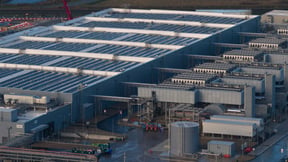
Data centers are being built across the U.S. at a rapid rate. State lawmakers can play a critical role in deciding how data center development occurs in their state to limit impacts on the environment and nearby communities.

100% Clean Energy and Zero Emissions Targets
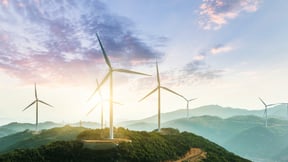
Striving towards 100% clean energy means all electricity comes from clean or renewable energy sources, such as wind and solar. States can increase the amount of clean electricity on the grid by passing Renewable Portfolio Standards or Clean Energy Standards.

30×30
The movement to conserve 30% of the world’s land and oceans by 2030 has gained international momentum. With federal recognition of the need to take action, there is an opportunity for state legislators to lead the movement.
Active Transportation
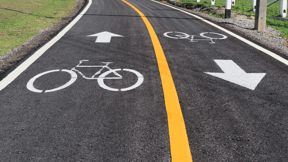
Increasing access and prioritizing the development of any self-propelled, human-powered mode of transportation, such as walking or bicycling, reduces a household’s reliance on single-occupancy vehicles and fossil-fuel-dependent vehicles.


Biodiversity
The loss of biodiversity threatens human, environmental, and wildlife health by reducing ecosystem services such as zoonotic disease buffering, water filtration, pollination, soil replenishment, provisioning of game species, and recreational opportunities.


Blue Economy
The blue economy encompasses ocean and coastal dependent sectors, such as fishing, tourism, and renewable energy generation. State legislators can explore policy options to expand sustainable blue economies that benefit local economies, communities, and coastal resources.


Building Decarbonization
Decarbonized buildings incorporate energy efficiency upgrades, electrification, and design elements that can drastically lower energy demand, reduce pollution, and improve indoor air quality. States that move to decarbonize the building sector can reduce emissions while creating jobs.

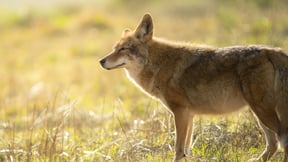
Wildlife Coexistence and Conflict Reduction
Land development and a changing environment bring humans and wildlife closer together. State lawmakers have unique opportunities to help communities and wildlife share landscapes in a way that harms neither and provides benefits to both.

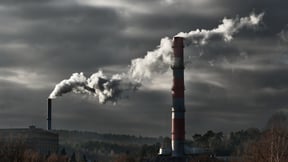
Climate Accountability and Risk
As the impacts of climate change develop, state legislators are working to address the increased risk created by climate change to ensure healthy, resilient communities. More states are exploring policies for corporate polluters to pay for climate damages and fund solutions.
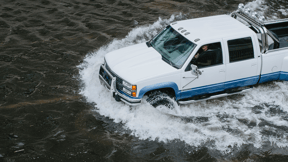
Climate Adaptation
As atmospheric carbon dioxide levels continue to climb, the impacts of climate change are worsening rapidly. States can improve climate adaptation efforts by assessing their own climate impacts and putting policies in place to adapt to the changes that are occurring.


Climate Finance
Climate finance refers to the financial pressures created by climate‑driven weather events and how markets account for future climate risks. By leveraging climate finance frameworks, state governments can increase funding for climate resilience projects and strengthen overall economic stability.
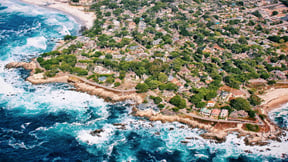
Coastal Resilience
Roughly 40% of the U.S. population lives in coastal counties. Building on federal programs, many state legislatures have established task forces focused on creating resilient coastlines such as rebuilding, protecting, and preserving natural flood buffers like wetlands.
Cumulative Impacts
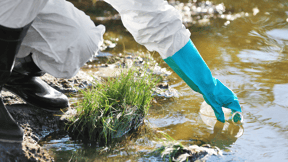
Cumulative impacts occur when multiple sources of pollution and environmental stressors combine to cause adverse effects to human health. Cumulative impacts policies can help broaden the focus of past environmental regulations and provide a more holistic assessment of health impacts.
Distributed Solar and Batteries
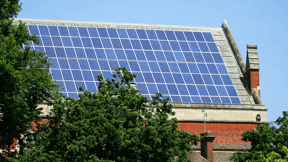
Distributed solar and batteries are small-scale energy resources that generate and store power close to where it’s used. States can set the standards for how these resources interconnect to the grid, as well as the compensation and rate designs that shape their economic value.


Electric Vehicles
Price volatility of fossil fuels makes electric vehicles and hybrids attractive alternatives to conventional vehicles. States have utilized policy mechanisms to spur deployment and adoption at scale, capitalizing on benefits to energy security as well as environmental and human health.
Emerging Energy Technologies
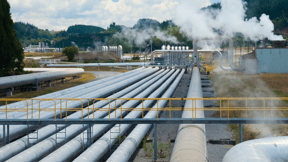
The employment of new clean energy technologies — such as energy storage and geothermal energy — is important to addressing today’s energy needs. States are leading the charge in developing these technologies and can further explore energy alternatives to sustain clean energy in the coming years.


Endangered Species
Many threatened and endangered species provide key ecosystem services to humans; their decline harms us as well. States have been stepping up to protect wildlife within their borders by establishing and strengthening state endangered species acts (SESAs).

Extended Producer Responsibility
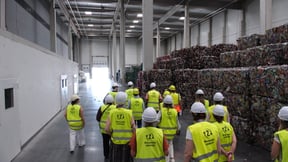
Approximately 33% of what consumers throw in their trash each year is product packaging. EPR programs put the responsibility for the end-of-life management of plastic packaging on the manufacturers and brand owners, shifting the burden away from taxpayers.
Fisheries and Aquaculture
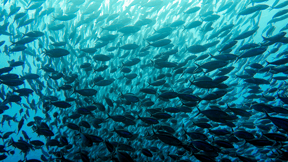
Wild-capture fisheries, both commercial and recreational, have long played an important role in national seafood production. State lawmakers can leverage a suite of legislative options to support the sustainable development of these systems in their regions.

Flood Resilience
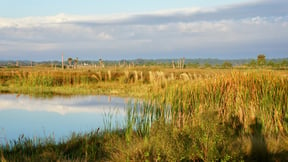
In the last 10 years, 73% of springtime flood disasters have occurred in inland states. As a result, states have looked to implement flood mitigation and adaptation practices beyond existing built infrastructure (such as dams and levees) to establish long-term resilience.


Green Amendment
Green Amendments are constitutional amendments that guarantee the right of a state’s residents to a clean and healthy environment. More states are following Montana and Pennsylvania’s lead by placing the language in their Bill of Rights.


Invasive Species
Found in all 50 states, invasive species are any type of living organisms that are not native to an ecosystem and cause harm. Invasive species can reproduce and spread rapidly, thrive in many different environments, and withstand threats that native species cannot.

Climate Justice and a Just Transition
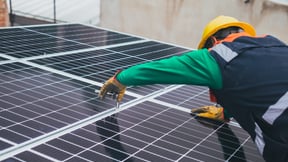
Avoiding the worst effects of climate change requires ending fossil fuel use and production. As we transition away from fossil fuels, states can take steps to ensure the workers and communities who have powered our nation for generations are included in the workforce of the future.

Nature-Based Solutions
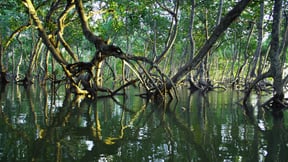
Working with nature to manage natural ecosystems, working lands, and the built environment can help to address societal challenges, improve biodiversity, and support human health and well-being.

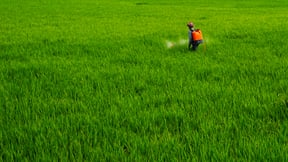
Pesticides
Excessive pesticide use has massive economic, environmental, and human health impacts. Excess exposure causes acute poisonings in farmworkers and is linked to developmental abnormalities in children. Limiting exposure and facilitating targeted pesticide use can benefit both people and pollinators.

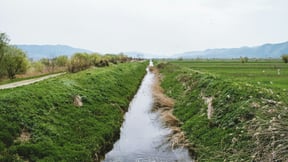
Nutrient Pollution
Nutrient pollution is when an overabundance of nutrients, like nitrogen and phosphorus, enters the water system. It is detrimental to human health and the economy. Excessive nitrogen is also a common drinking water contaminant and is particularly harmful for infants.

Ocean Acidification
The ocean is becoming more acidic due to increased levels of carbon dioxide in the atmosphere — threatening ocean ecosystems, the food chain, and the livelihood of coastal residents. Investing in long-term research can help determine specific impacts and lead to effective management strategies.

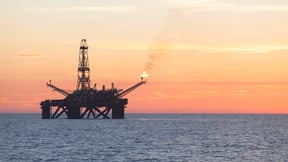
Offshore Drilling
Risks associated with offshore drilling include well blow-outs, oil tanker spills, and marine ecosystem disruption. Despite federal setbacks, states continue to take action to prevent future drilling and exploration in state waters through resolutions, restrictions, and liability laws.

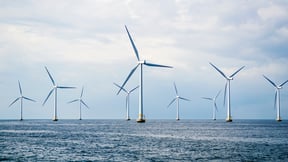
Offshore Wind
With effective policy drivers and robust stakeholder engagement, coastal and Great Lakes states can harness the economic potential of offshore wind to create jobs and produce clean, renewable energy — a reality driving momentum among state policymakers and financiers.

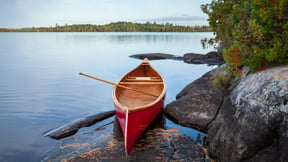
Outdoor Engagement
Outdoor engagement presents a unique opportunity to serve diverse constituencies because it provides mental and physical health benefits and supports economic development. Many states are working to ensure nature access is available for all communities.


PFAS
Per- and polyfluoroalkyl substances (PFAS) are a group of human-made chemicals used in a variety of consumer products. PFAS are known as “Forever Chemicals” due to their persistence in the environment and can cause a range of adverse health effects — including cancer.

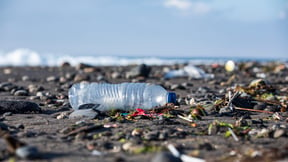
Plastic Pollution
The U.S. currently recycles only 5% of plastic — the rest ends up in landfills, the environment, and human communities. Given the large amounts of waste and the fossil fuel origins of these materials, states can advance comprehensive policy strategies to address the full lifecycle of plastics.

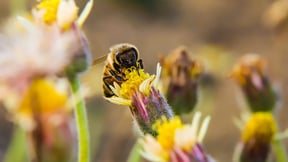
Pollinators
Pollinators, including bees, birds, butterflies, bats, and other insects are declining rapidly due to a number of factors, including loss of habitat, loss of forage, and pesticides. Many states are considering legislation to acquire, restore, and protect pollinator habitat.

Public Transportation
Buses, subways, light rail, commuter rail, trolleys, and ferries all play an essential role in the toolbox of sustainable transportation solutions. Although there is a strong focus on local and regional efforts, states can play a key role in improving the accessibility and effectiveness of public transportation systems.
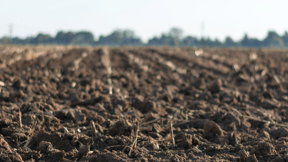
Soil Health
Healthy soil provides clean air and water, bountiful crops and forests, productive grazing lands, and beautiful landscapes while reducing flood risk and improving drought resilience and water quality. States are exploring programs and increasing funding for soil health.
Sustainable Agriculture
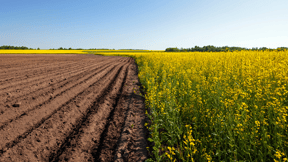
Given farmland’s environmental footprint and proximity to natural resources, sustainable agriculture provides an opportunity to reduce pollution, promote biodiversity, and protect soil health. Implementing these strategies can improve farming outcomes and save millions of dollars in a given area.

Transmission
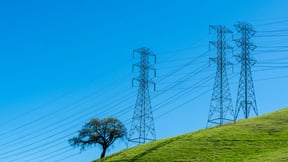
The power grid needs increased transmission development to ensure reliability, resiliency, and security. State legislators play a crucial role in long-term transmission planning, strengthening ties between regions, and proposing legislation to increase development.

Utilities and the Grid
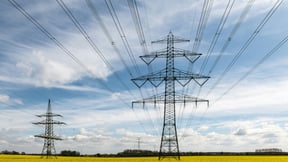
Utility policy is fundamental to addressing energy affordability, with today’s policies shaping costs and emissions for decades to come. State legislatures implement the regulatory and policy frameworks under which state utility commissions operate.
Water Scarcity
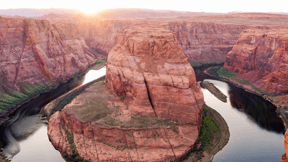
Water is essential for agriculture, sanitation, industry, recreation, energy, and maintaining natural ecosystems. Although scarcity is commonly considered a problem for Western states, water sources are being depleted across the country as demand grows.

Wildlife Agency Relevance and Funding
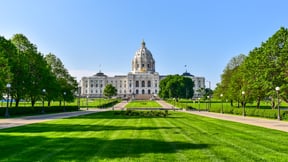
State fish and wildlife and other natural resource agencies are experiencing increased responsibilities as a result of habitat loss and degradation, invasive species, and increased recreation. To help make these agencies more effective, states can increase wildlife agency funding and relevance.

Wildlife Connectivity and Crossings
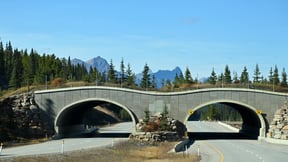
Habitat fragmentation could have lasting negative effects on wildlife, ecosystem functions, and recreation. Wildlife corridors and wildlife crossings are vital and cost-effective ways to maintain resilient ecosystems and to protect public health and safety on roads.


Wildlife Disease
Wildlife diseases are caused by the transfer of pathogens between humans and animals. Over 75% of emerging diseases originate in wildlife. States are considering a variety of bills to protect against future wildlife diseases.

Wildlife Trafficking
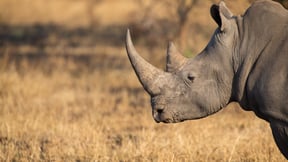
The demand for elephant ivory and rhino horn, as well as for other exotic species, has created a massive international, largely illegal market that has detrimental economic, social, and environmental effects.
No matching issues.


Explore the Environmental Policy Landscape
The National Environmental Caucus bill tracker is used by state lawmakers and organizational partners to quickly get an overview of legislative trends across the country, with the ability to explore legislation in detail.
National Environmental Caucus Initiatives
Greater Impact Through Collaborations
Our initiatives bring legislators and network partners together around topics broader than a single issue area.
Strong State/Tribal relationships can advance state environmental policy through thousands of years of ongoing Indigenous ecological knowledge and research. To support this work, the National Environmental Caucus remains committed to enhancing collaboration among philanthropic funders, Tribal leaders, and state officials.

Designed to assist river district legislators, the goal of the MRLC is to build the capacity of legislators to more effectively address river health, water quality, and the interconnected needs of local communities and economies.

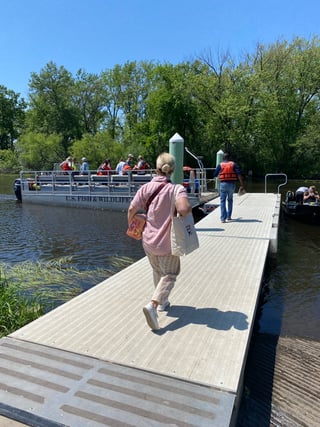
The Youth Outdoor Policy Partnership empowers youth, communities, and state lawmakers to act. It shares successful policies, connects leaders, and sparks new ideas to reconnect all youth to the outdoors.

Environmental justice broadly refers to the idea that historically disenfranchised communities are more likely to experience environmental hazards. The National Environmental Caucus works to help state lawmakers address these injustices, while incorporating environmental justice principles into all of its work.
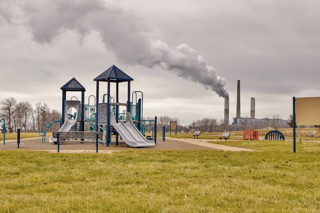
Policy Updates


Georgia Passes Bill to Nearly Double Funding for Outdoor Stewardship

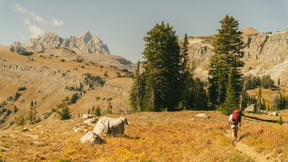
Wyoming Enacts H.B.0122 to Expand Outdoor Recreation and Improve Health Outcomes


Maryland Enacts HB 0578 to Protect Endangered Species Amid Proposed Federal Rollbacks
2026 Session Kickoff: Emerging Environmental Policy Trends From the States

Support the Network
Your generosity helps create opportunities for state legislators to meet, collaborate, and improve lives in their states.


Subscribe to the National Environmental Caucus Newsletter
Stay up to date on upcoming events, opportunities to expand your network, and the latest environmental policy trends from across the U.S.