Resources Hub
Explore an extensive collection of fact sheets, one-pagers, policy options, and briefing books on environmental issues across the U.S.

Quarterly Impact Report
Summer 2026 was a season of immense momentum for National Environmental Caucus. The National Forum in Chicago was our biggest yet, bringing together state lawmakers for learning, connection, and collaboration.
Wetlands Toolkit
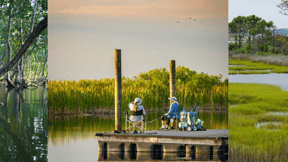
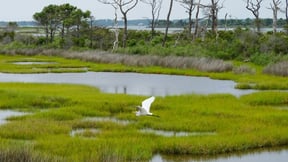
Wetlands are among the world’s most valuable and productive ecosystems, containing habitat and refuge for dense biodiversity while providing numerous benefits to humans. However, wetlands are also the most endangered ecosystems in the world.

Ecological Restoration and State Permitting Fact Sheet
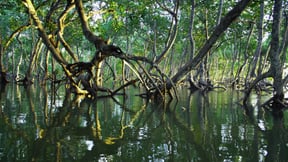
For over 50 years, U.S. environmental laws and regulations, like the National Environmental Policy Act and the Clean Water Act, have helped nature rebound — many rivers once considered open sewers have been transformed into healthier systems. Despite this progress, ecological recovery is often stymied when these activities are regulated through the same permitting process designed to reduce environmental destruction. Ecological restoration focuses on improving current conditions, while regulations are built to protect natural resources from change, even if those ecosystems are degraded. This misalignment creates friction, delays, and ultimately prevents degraded ecosystems from being restored. State legislators have a real opportunity to improve permitting for ecological restoration and help these projects move forward faster.

Wetlands Issue Brief
The 2023 Supreme Court decision in Sackett v. EPA rolled back federal protections for wetlands and intermittent waterways. Now only streams that flow year-round, or are continuous, are protected under the federal Clean Water Act (CWA). In 2025, the U.S. EPA and Army Corps of Engineers proposed new rules for protection of “waters of the United States” (WOTUS): wetlands can only be protected if they abut jurisdictional water and have surface water at least during the wet season. These rollbacks provide opportunities for states to define wetlands, establish water quality standards, and oversee permitting. There are myriad opportunities to ensure the long-term health of “nature’s kidneys.”

Energy Affordability Messaging Toolkit
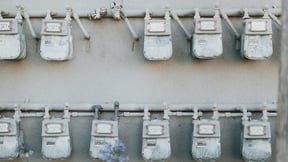
This Toolkit explores effective messaging for clean energy and affordability policies and is designed to be used alongside NEC’s Energy Affordability Briefing Book. The content is organized around three policy categories: Delivering Near-Term Relief (Section 1), Protecting Customers & Reforming the System (Section 2), and Building a Low-Cost Clean Energy Future (Section 3). Each section includes an overview, key messages, corresponding policy options, and questions that legislators can expect from constituents. This Toolkit also includes quotes taken directly from stakeholder interviews, providing further context for the messaging strategies provided. Finally, certain sections in the Toolkit provide deep dives on featured policy options contained within the companion Energy Affordability Briefing Book. These featured policy options are either widely applicable to state legislators or require specific messaging support to facilitate deeper understanding.

Quarterly Impact Report – June 2026
Energy Affordability Briefing Book
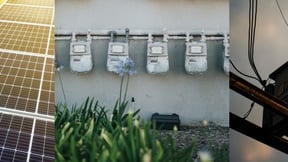
This Briefing Book explores the drivers of rising energy bills and provides three major categories of policy options for state legislators to address energy affordability. Section 1 examines near-term solutions to deliver immediate relief to households and businesses — including holding data centers accountable for their costs, providing direct bill assistance, and shifting the cost of climate change off of residential ratepayers. Section 2 explores how to protect customers and reform the utility regulatory system to ensure spending is examined, transparency is increased, and risk is fairly distributed. Section 3 outlines how building a low-cost clean energy system addresses the structural drivers of high bills over the long term, from removing deployment barriers to improving transmission planning and expanding distributed energy resources.

Agrivoltaics Fact Sheet
Agrivoltaics — pairing solar energy generation and agriculture on the same land — is emerging as a strategy for states to expand clean energy while supporting working lands and local economies. Agricultural land accounts for roughly 43% of the total land used in the lower 48 states. By combining renewable energy with agricultural operations, agrivoltaics can diversify farm income, improve land efficiency, strengthen climate resilience, and contribute to successful farmland conversion. As electricity demand grows and states pursue clean energy goals, states are adopting a range of approaches to support agrivoltaics.
Zero Waste Policy Roadmap Overview
Plastic pollution is infiltrating waterways worldwide, accumulating as toxic debris in marine life, and ultimately harming human health. Single-use plastics are the most pervasive plastic pollutants and, like all plastics, slowly break down into smaller particles that stay in the environment. Plastic is largely made from fossil fuels, and its production is expected to increase by more than 30% over the next decade. At a current national recycling rate of 5%, recycling will not be able to keep pace with the production or generation of single-use plastics. This resource provides an overview of the topic as well key components from NEC's Zero Waste Policy Roadmap.
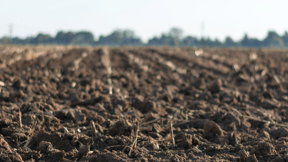
Soil Health Issue Brief
Soil health refers to the ability of soil to function as a vital living ecosystem that sustains plants, animals, and humans. Healthy soil is essential to clean air and water, diverse wildlife, abundant crops, forests, grazing lands, and vibrant landscapes. Throughout the nation, healthy soil:
Nutrient Pollution Fact Sheet
Nutrient pollution occurs when an overabundance of nutrients, like nitrogen and phosphorus, enters the water system. High quantities can lead to an overgrowth of algae and decrease the oxygen that fish and other aquatic life need to survive. The primary sources of excess nutrients are (1) runoff from fertilizers and animal manure, (2) discharges from sewage systems, (3) stormwater runoff, and (4) fossil fuels. Nutrient pollution is also detrimental to human health and the economy: it contaminates drinking water, leads to commercial fishing losses, and impacts recreational activities. Water bodies in every U.S. state are impacted by nutrient pollution, with many states now implementing nutrient reduction strategies to support local communities and economies.


Nature-Based Solutions Policy Options
As the impacts of climate change intensify, people and nature are at risk of rapidly changing environmental conditions. Nature-based solutions use natural features and processes to protect, restore, and manage ecosystems. Nature-based solutions can address a range of challenges communities face — from wildfires and heat waves to sea-level rise and flooding. Research also shows that nature-based solutions could provide about 37% of the climate mitigation needed between now and 2050. The primary tenet of nature-based solutions is that working with nature, rather than against it, can help implement solutions that (1) combat climate change, (2) build more resilient communities, and (3) protect critical ecosystems. The examples below provide a sampling of the state-level policy options available for implementing nature-based solutions.

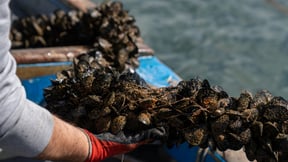
The Blue Economy Issue Brief
Amid complex policy landscapes and federal funding gaps, states, Tribes, and localities face challenges in advancing coastal and marine priorities. This sense of uncertainty — compounded by increased pressures from climate change, rapid coastal development, gentrification, and shifting global markets — introduces many challenges for states. Investing in the Blue Economy at the state level provides the opportunity for states to drive sustainable economic development while preserving critical marine and coastal ecosystems.

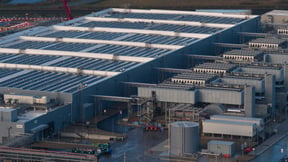
Data Centers Policy Options
Data centers are rapidly expanding across the United States, driving sharp increases in electricity demand, exacerbating rising household energy costs, and adding growing pressure on local water systems and land use. Forecasts for data center electricity consumption continue to climb, prompting the buildout of additional energy infrastructure while straining electric grids and consumer energy bills. Beyond energy demand, data centers can deplete local water resources, worsen air pollution, consume rural land, and incentivize further fossil fuel development, among other environmental and community impacts. In response, state legislators are increasingly considering guardrails for this rapidly growing industry to protect communities, consumers, and the environment.

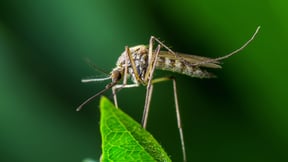
Private Pest Control Policy Options
Many private landowners hire companies to apply pesticides in their yards to control pests such as mosquitoes and ticks. However, these pesticides can pose severe risks to human health, pollinators, and other wildlife; some of these pesticides are also PFAS “Forever Chemicals.” Recent research on the effects of private mosquito sprays suggests these chemicals often drift onto nearby properties, putting neighbors at risk. These treatments are largely ineffective at preventing insect-borne disease, with little evidence of risk reduction and only short-term impacts on mosquito populations. State action can help protect community health and limit harm from private pest control services.

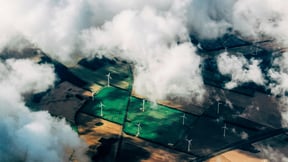
Making the Case for Renewables as an Affordable Solution
This resource helps legislators communicate about how deploying renewable energy is a solution for energy affordability. It provides intuitive narratives and supporting evidence to help legislators explain why our historic fossil-fuel-based energy system creates added costs for ratepayers and how renewables can help make energy more affordable. Our current energy system has challenges. Core Message: We have an old energy system that requires costly fossil fuels, often from distant…

Quarterly Impact Report – March 2026

Outdoors as a Health Solution Briefing Book
Across the United States, the connection between nature and human health is becoming clearer. From physical activity to mental well-being, time spent outdoors supports healthier lives at every age. Yet, many communities face significant barriers to regular, safe access to nature – from lack of green space to policy blind spots. Spending time outdoors is a critical health behavior. Access to the outdoors offers countless health benefits across all ages, activities, and regions. Some of these benefits include improved cognitive function, reduced stress and anger, increased physical activity, and better relationship-building in children. However, most Americans currently spend very little time outside, with communities of color and low-income populations far more likely to live in neighborhoods with little to no access to nature. The goal of this briefing book is to provide practical examples and insights that can help integrate nature into public health, education, planning, and environmental policy in a realistic and accessible way. It shares real-world case studies, summarizes relevant research, and outlines policy tools that local and state governments are already using to improve community health through nature. While the examples included range from early childhood to older adults, the throughline is consistent: outdoor access supports health, resilience, and equity. And it can be advanced through practical, bipartisan strategies.


2025 Youth Outdoor Policy Trends Report
Outdoor policy continued to grow in 2025, with 47 states and territories introducing over 300 bills on outdoor recreation, education, access, and equity.

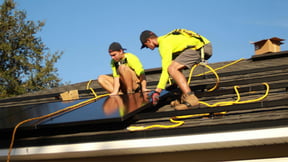
Instant and Third-Party Permitting Fact Sheet
Instant permitting refers to automated, online platforms that streamline the permitting and approval of residential solar, battery systems, and other home electrification technologies. These platforms automate safety and code-compliance checks for simple installations and can issue permits or permit revisions in real time. By speeding, streamlining, and standardizing the permitting process, instant permitting helps reduce costs for families, installers, and local governments. Instant permitting also plays a crucial role in cost-effectively meeting rising electricity demand from data centers and other large loads. States are adopting instant permitting to reduce energy costs, support bill savings, accelerate the deployment of distributed energy resources (DERs), and increase reliability and resilience.

2025 Annual Report
PFAS Fact Sheet
Per- and polyfluoroalkyl substances (PFAS) are a group of human-made chemicals widely used and found in everyday products — from cookware and cosmetics to food packaging, drinking water, and agricultural land. Known as “Forever Chemicals” for their persistence in the environment and the human body, PFAS have been linked to serious health risks, including cancer, reproductive harm, and immune system disruption. Some manufacturers have voluntarily phased out so-called long-chain PFAS, such as PFOA and PFOS, and replaced them with their short-chain cousins, but early evidence suggests that these are just as harmful. In response, states have been enacting legislation to reduce exposure to PFAS in a range of products and improve transparency around their use and presence.


Atlantic Menhaden Fact Sheet
The Atlantic menhaden is an important forage fish that supports predators like striped bass and bluefish while also providing significant economic value as a major source for the bait fish sector and the fish oil industry. The 2025 coast-wide Stock Assessment of Atlantic menhaden found that the population is not currently being overfished and that population biomass has remained relatively stable in recent decades. However, region-specific concerns (i.e., areas of the Chesapeake Bay) remain about the low abundance of menhaden and the impact this is having on the predators that rely on the species as a food source (i.e., osprey). Policy options exist for states to mitigate these growing concerns among citizens and interest groups while maintaining healthy menhaden populations.


Treated Seeds Fact Sheet
Brightly colored pesticide-treated seeds now dominate American agriculture. Nearly all commercially-available corn and soy seeds are coated with a pesticide seed treatment, and these coatings are also common on crops such as wheat, sugar beets, sunflowers, and squash. These coatings often contain pesticides, microplastics, and PFAS, and are applied prophylactically (with or without a known pest threat). Further, many pesticides used in these seed treatments are systemic, meant to be absorbed through the entire plant’s tissues. Yet only 2% of pesticides used are absorbed; the remaining 98% leaches into soil and water, harming pollinators, soil health, and aquatic life. Excess seeds also lack safe disposal mechanisms, because they are not regulated by the EPA as pesticides. Instead, under the “treated article exemption", they are considered a “treated article” in the same manner as plastic pesticide containers. This status creates minimal regulation, leading to little enforcement of safe-user compliance, no use-reporting of seeds, and frequent pesticide overuse.


U.S. Public Trust Doctrine and Wildlife
The U.S. public trust doctrine (PTD) refers to the duties of a state government (trustee) as well as the privileges and responsibilities to the U.S. public (beneficiaries) in relation to the natural environment. It arises in state and federal statutes, but primarily in common law. Wildlife have unique attributes in the PTD, as they are both part of the trust (resources states are obligated to protect) and beneficiaries of the trust (benefiting from the trust’s proper management). “Trustees” include government at all levels, such as state executive and legislative bodies, wildlife commissions, wildlife managers, and law enforcement officials. While the PTD is developed and enforced by the judiciary, state legislators can consider policy options to codify and strengthen express PTD protections for wildlife, lands, and waterways.


Outdoors as an Accessibility Solution Briefing Book
The Outdoors As An Accessibility Solution Briefing Book examines barriers that people with disabilities experience in trying to get outside and policy options to mitigate challenges through the following generalized categories: 1. Going Outside: What to Expect in Outdoor Spaces, 2. Getting Outdoors: Accessible Transportation Options, 3. Physical Infrastructure: Indoor Facilities, 4. Physical Infrastructure: Outdoor Facilities, 5. Getting Outside Now: First Steps, 6. Creating Safe Experience in the Outdoors.

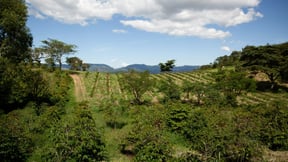
Agroforestry Fact Sheet
Agroforestry integrates trees and shrubs into farming systems to deliver environmental, economic, and social benefits. Well‑designed agroforestry systems often yield more than annual crops grown on their own, while improving water quality, soil health, carbon sequestration, and wildlife habitat. For farmers, agroforestry boosts climate resilience, profits, and crop diversification, while improving both seasonal cash flow and long‑term value from timber. States that proactively support agroforestry can improve environmental outcomes while supporting rural economies and farm resilience.

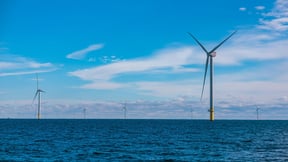
Offshore Wind Coexistence Fact Sheet
Offshore wind development on the U.S. East Coast is projected to deliver 83 gigawatts of energy capacity by 2050. Millions of acres have been sited in U.S. federal waters for offshore wind projects, with five major projects now underway along the East Coast. As part of the siting process, the Bureau of Ocean Energy Management (BOEM) prepares an Environmental Impact Statement to assess potential impacts on physical, biological, socioeconomic, and cultural resources. While many potential impacts are addressed through siting, remaining challenges can be minimized through proactive state action.


Quarterly Impact Report: December 2025


Outdoor Risk and Safety Briefing Book
Outdoor engagement is a core public health, climate, and economic intervention. Yet the increasing frequency and intensity of climate-related disasters are drastically expanding the scope and severity of outdoor risk and liability. Simultaneously, well-managed encounters with outdoor risk can offer significant health, community, and economic benefits that outweigh the downside of the risk. Avoiding all potential risks can leave people, especially children, less risk-aware, less capable of handling risk when it arises, and more exposed to risks in the long term. States are leading the way in responding to, adapting to, and challenging risk across liability, insurance, ‘risky play,’ psychological safety, wildfires, climate, and equal opportunity. Just as interconnected risks compound on one another, risk and liability management strategies can combine to produce outcomes greater than the sum of their parts. This Briefing Book is written broadly for policymakers and their communities, as well as outdoor education programs (like camps and schools), to foster new ways of solving old problems. It offers strategies to best assess emerging challenges and reframing risk using current thinking informed by the evolution of risk management in outdoor spaces.

2026 Legislator Briefing Book
Welcome to the National Caucus of Environmental Legislators' 2026 Legislator Briefing Book where you can learn more about the environmental issues we work on and the ways NEC can enhance your legislative efforts. Whether you are new to the legislature or a seasoned environmental policymaker, the NEC team is here to help and invites you to join our caucus founded by and for state legislators. We look forward to working with you soon.
About MRLC
NEC created the Mississippi River Legislative Caucus (MRLC) to assist legislators representing districts in the watershed that are committed to a thriving and healthy river. Our goal is to build the capacity of state legislators to more effectively address river health and water quality issues, and to create a forum for collaboration on growing communities and local economies. MRLC creates opportunities for state lawmakers to interface with river mayors, members of Congress, advocacy groups, and the business community.
About NEC
The National Caucus of Environmental Legislators (NEC) is a nonpartisan network of over 1,300 state legislators from all 50 states committed to protecting the environment. NEC is a professional network, connector, and capacity builder. NEC is a non-lobbying organization.

Blue Economy and Regional Partnerships Briefing Book
As coastal states face increasing pressure from climate change, rapid coastal development, gentrification on waterfronts, and shifting global markets, the Blue Economy presents a timely opportunity to drive sustainable economic development while preserving critical marine and coastal ecosystems. This Briefing Book provides an overview of the Blue Economy, policy options for state lawmakers, and strategies being used in three key regions to boost collaboration and outcomes: New England, the Gulf Coast, and the West Coast. The Briefing Book also offers considerations for how state policymakers can not only support this growing sector and our working waterfronts, but also how states can collaborate through regional partnerships, multilevel governance, and innovative financing.

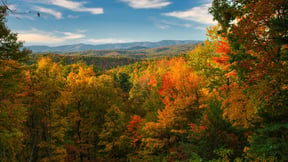
Quarterly Impact Report: April – September 2025


NEC 2025 – 2029 Strategic Plan
The following resource provides an overview and detailed information on the key objectives for the 2025-2029 Strategic Plan from the National Caucus of Environmental Legislators (NEC).

Bipartisan Climate Solutions Briefing Book
This briefing book seeks to provide a pool of successful climate and clean energy policies for state legislators to reference as they are looking forward to next sessions.


Building Decarbonization Fact Sheet
Decarbonized buildings incorporate energy efficiency upgrades, electrification, and design elements which can drastically lower U.S. energy demand while providing benefits such as cost savings, carbon pollution reduction, and improved indoor air quality. Commercial and residential buildings account for ~13% of U.S. emissions, largely due to burning gas, diesel, or heating oil. States that are proactive about building codes and standards can reduce emissions while creating jobs in retrofitting and weatherization.
Building Decarbonization Policy Options
Decarbonized buildings incorporate energy efficiency upgrades, electrification, and design elements which can drastically lower U.S. energy demand while providing benefits such as cost savings, carbon pollution reduction, and improved indoor air quality. Commercial and residential buildings account for ~13% of U.S. emissions, largely due to burning gas, diesel, or heating oil. States that are proactive about building codes and standards can reduce emissions while creating jobs in retrofitting and weatherization.
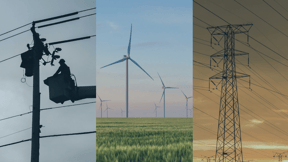
Utility Briefing Book
Utility policy plays a pivotal role in the pursuit of climate goals and the transition from a fossil fuel-based economy to a clean energy economy. The utility sector is a primary source of greenhouse gas emissions, with the power sector contributing 25% to total U.S. emissions. Currently, about 60% of electricity generation is still derived from fossil fuels such as coal, natural gas, petroleum, and other gasses. By creating and implementing effective utility policies, legislators can help steer the energy industry away from fossil fuels and towards cleaner, more sustainable practices. The benefits from the transition to a clean energy economy cannot be achieved without investing in an efficient, optimized, and modern grid that can effectively utilize new technologies and resources, while also responding to customer needs and decreasing customer costs. The electrical grid plays a pivotal role in the clean energy future by enabling the reliable integration, distribution, and utilization of clean energy resources on a large scale.

Transmission Briefing Book
In addition to introductory information on transmission in the U.S., this briefing book is broken down into four sections. First, we will examine how to better understand transmission and the opportunities presented by the “Three P’s of Transmission” (Planning, Permitting, and Paying). Second, we will examine how to maximize the capacity and ability of existing processes and infrastructure. Third, we will highlight ways to create new entities and authorities to better coordinate and streamline transmission development. Lastly, we will demonstrate how best to incorporate public interests into transmission policy to ensure that all communities benefit equally from this work.


Urban Biodiversity Fact Sheet
Over 80% of Americans live in urban areas, where daily encounters with biodiversity such as birds, insects, plants, and other species shape how most people experience nature. This urban biodiversity isn’t just a pleasant feature — it’s vital to public health. Diverse ecosystems in cities help control diseases like West Nile Virus and Lyme Disease, support pollination, reduce heat emergencies, and improve air and water quality. Access to biodiverse green spaces also boosts mental health and fosters a stronger sense of community and well-being. Yet, these benefits are not equitably shared: low-income neighborhoods often lack the biodiversity and green space needed to support healthy, resilient communities.

Wildlife Trafficking Policy Options
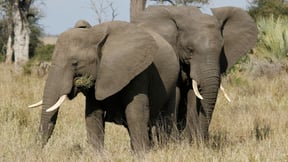
Wildlife trafficking is the second largest driver of biodiversity decline behind habitat loss, while also contributing to the proliferation of global pandemics such as COVID-19. The illegal wildlife trade is an industry grossing up to $23 billion annually linked to organized crime and corrupt government action. Even the legal removal of species from their habitats, both domestically and internationally, contributes significantly to species decline. States are key players in limiting wildlife trafficking through intra-state trade regulations, enforcement, monitoring, and research.


Wildlife Corridor and Crossings Policy Options
Wildlife populations are on the decline in the U.S. Habitat fragmentation could have lasting negative effects on wildlife populations, ecosystem functions, and recreation for millions of Americans. Wildlife is losing the ability to move, migrate, and disperse across landscapes right as climate change is pushing many species to move in new patterns and places. In addition, wildlife-vehicle collisions put people and wildlife at risk of injury and death, while costing billions each year. Wildlife corridors and wildlife crossings are vital and cost-effective ways to maintain resilient ecosystems and to protect public health and safety.

Restoring Relationships: State/Tribal Environmental Policy Toolkit
This toolkit provides state legislators a basic foundation for working with Tribal Nations. It includes short case studies, policy options, and examples of good relationship building. These policy options should be evaluated in context and alongside Tribal partners. This toolkit provides only an introductory policy overview and is not intended to replace more substantial learning. The authors recommend self-education before reaching out to Tribal Nations to not unfairly burden Tribal partners when an abundance of information is already available. For further learning, explore the Nature Conservancy’s interactive Indian Country 101 training, read the Native American Rights Fund’s Tribal Implementation Toolkit and the National Congress of American Indians’ Indian Country 101 booklet, and contact your state’s Indian Affairs office, commission, or committee (if available).


Quarterly Impact Report – March 2025


Lessons Learned in Crafting Endangered Species Policy
With one-third of our nation’s wildlife at risk of extinction, and nearly every American county containing threatened or endangered species of plants or animals, state legislators have been looking at ways to protect these species and stem the tide of extinctions. This report contains the lessons learned by state legislators across the country who have worked tirelessly to craft and pass legislation to help secure our country’s invaluable wildlife…


2024 Annual Report


Building Support for Ambitious Climate Programs
What is Cap-and-Invest Cap-and-Invest is a market-based approach to reducing greenhouse gas emissions by putting a price on carbon pollution, thereby reducing greenhouse gas emissions, supporting renewable energy, and generating revenue. California and Washington both have active cap-and-invest programs with other states considering programs. Defending Bold Climate Action With the change in federal administration, state climate action is more important than ever. Despite changes at the federal level,…

Healthy Ocean and Coasts Briefing Book
The ocean is often referred to as the heart of the planet — from generating over half the air we breathe to absorbing excess carbon in the atmosphere, serving as home to millions of species, and providing important resources to coastal and inland communities. But, when precious ocean resources and the surrounding environment are not sustainably managed or decisions are made without intentional input from coastal communities, frontline communities, and Indigenous Communities, negative impacts like ocean acidification, decreased marine biodiversity, coastal erosion, environmental injustices, and sea-level rise can emerge. This briefing book is intended to provide an overview of some of these major ocean topics that state legislators across the country are contending with, using existing policies to illustrate how introducing legislation to remedy one ocean issue can have significant co-benefits across coastal ecosystems.

Beaver Conservation and Coexistence Fact Sheet
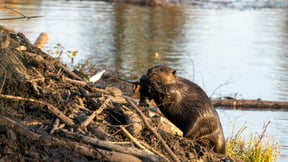
Once numbering in the hundreds of millions across North America, beavers transformed their environment in profound ways, including by creating over 300,000 square miles of wetlands. Due to the immense commodification and trapping of beavers following European colonization, beavers were nearly driven to extinction. Today, beavers are slowly returning, providing much needed benefits including cost effective resilience to wildfires, droughts, and floods, improved water quality and quantity, creation and restoration of fish and wildlife habitat, and recreation opportunities. While beaver dams sometimes conflict with land uses and infrastructure, some states are addressing these conflicts through planning and solutions that maximize benefits for ecosystems, at-risk wildlife species, and people.
Wildlife Disease Policy Options
Wildlife, or “zoonotic” diseases, are caused by the transfer of pathogens between animals and humans. Over 75% of emerging diseases originate in wildlife, exacerbated by deforestation, wildlife exploitation, development, and poor waste management which cause increased wild animal-human proximity. The costs of wildlife diseases to public health are enormous, and tend to fall disproportionately on communities with poor healthcare access and that are impacted by structural discrimination. Without state action, wildlife diseases will continue to spread, making future pandemics harder to control. Experts identify the One Health approach – recognizing interconnections between the health of people, animals, and our shared environment – as one of the best ways to respond to the threat of zoonotic disease.

Quarterly Impact Report: December 2024

Post-Fire Relief and Response Policy Options
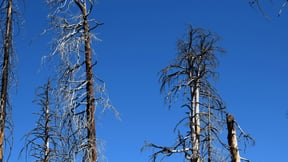
While some wildfires cause minimal damages, many result in immediate destruction of property and destabilization of ecosystems that necessitate special efforts to protect human wellbeing and enable environmental recovery. In addition to displacing around 39,000 people from their homes in the United States between 2008-2023, wildfires also resulted in substantial loss of vegetation causing soil erosion, flooding, and introduction of sediments and pollutants into waterways that can threaten drinking water. States can improve their wildfire response processes through post-fire housing relief, environmental damage assessments, and ecosystem rehabilitation.

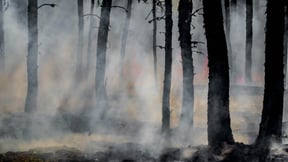
Wildfire Resilience and Preparedness Policy Options
While fire is an essential, natural process, extreme wildfires are becoming more frequent, severe, and extensive due to climate change. Climate change is fueling warmer temperatures, drier conditions, and more frequent droughts, leading to a longer fire season and heightened wildfire risk. To protect communities and ecosystems, it is vital for states to prioritize wildfire resilience and preparedness. Strengthening wildfire resiliency and preparedness is essential to safeguarding both lives and the environment in an increasingly unpredictable climate.

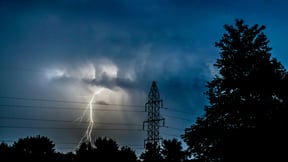
Utility and Grid Acronyms
Utility and grid policy are critical in addressing climate change, and improving the reliability and affordability of electricity across the country. However, grid policy is often full of acronyms and wonky language. This resource is a helpful tool to define some of the most common terms and acronyms in grid policy.

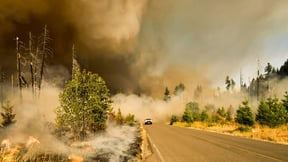
Climate Adaptation: Wildfires Fact Sheet
Rising temperatures from climate change are leading to longer and more intense fire seasons. Warmer and drier conditions are making the environment more susceptible to burning by causing an increase in the evaporation of moisture from soil and vegetation, drying out trees, shrubs, and grasses, and turning leaf litter and fallen branches into kindling. Wildfires can be caused by human activity such as campfires, discarded cigarettes, and electrical equipment, or by natural events like lightning strikes. As wildfires continue to become more frequent and severe, it is important for states to implement different climate adaptation and resilience strategies to protect humans and the environment.


Climate Adaptation Policy Options
Climate adaptation and resiliency measures are integral in ensuring communities can adjust to the current and projected impacts of climate change. About 87% of Americans report experiencing some kind of extreme weather events including heat waves, floods, droughts, hurricanes, or wildfires. The impacts of these events are tied to high home insurance costs, expensive recoveries, and even displacement. Climate adaptability measures include improving and retrofitting existing infrastructure, creating more green infrastructure, and improving extreme weather strategies.

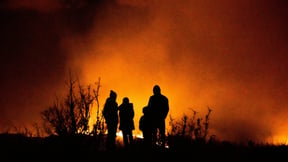
Wildfires and Insurance Fact Sheet
The increased frequency and intensity of wildfires is putting insurance at risk for homeowners and industries such as utilities. For utilities, wildfires can cause damage or destroy power lines, substations, and other critical infrastructure. Utilities are finding it incredibly difficult and expensive to obtain coverage along with existing insurance premiums skyrocketing. As wildfire risk increases, insurers are pulling out of high-risk states, leaving homeowners without coverage options.In places where insurers have stayed, homeowners are at risk of their premiums spiking as insurers struggle to cover increasing costs. In some cases, homeowners and utilities might be left to operate without insurance.
Wildfires and the Grid Fact Sheet
As the grid ages and extreme weather events like wildfires become more prominent, the relationship between them grows increasingly strained. Grid failures can trigger wildfires, while wildfires and the increased fire risk can, in turn, cause more grid failures, creating a vicious cycle. To reduce wildfire risk, some utilities are adopting strategies such as adjusting grid control settings, implementing public safety power shut-offs during high-risk weather, vegetation management, and worker protocols for dry conditions. State legislators can encourage utility adoption of these wildfire mitigation risk strategies and plan for future wildfire risk.
A Natural Legacy for the Future: State Laws for Endangered and Threatened Species
With one-third of our nation’s wildlife at risk of extinction, and the impacts of climate change accelerating, the time is now to find new and better ways to protect our natural heritage. Innovations must be found, not only for the wildlife and the habitats upon which they depend, but also for the current and future human generations who are inextricably linked to the natural world. State endangered species laws are one tool that can be used to this end. The goal of this report is to highlight what is and isn’t working across states and to spotlight innovative case studies of species recovery. Actions taken before a species becomes endangered can also save the lives of individual species, in addition to saving considerable money, time, and effort.
Clean Energy Siting and Permitting Fact Sheet
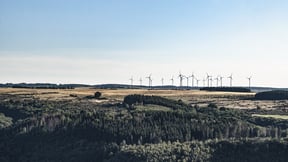
Clean energy siting and permitting is crucial for states to meet clean energy and climate goals. Expansion of the clean energy system is complex with significant obstacles for permitting existing at both the state and local levels that inhibit or delay projects. Communities may oppose projects at the local level due to visual or location concerns; at the state level, complicated environmental reviews may burden or block projects. Permitting obstacles also exist for transmission infrastructure, which is crucial for the integration of clean energy. To learn more about transmission specifically, see NEC’s Transmission Briefing Book. Although it is imperative to have a streamlined permitting process, public interest concerns including environmental justice, tribal sovereignty, and environmental impacts should not be overlooked. Meaningful community engagement can also help in addressing potential local opposition to projects.

Energy Storage Fact Sheet
By capturing and storing energy for later use, energy storage addresses fluctuations in demand and supports a consistent renewable energy supply, allowing solar and wind power to be utilized long after generation. As extreme weather events become more frequent, energy storage helps meet increased demand and lowers costs for ratepayers by adding capacity and reducing operating expenses. It also meets the demands of a just transition by creating steady jobs across sectors.
Quarterly Impact Report: July – September 2024


2024 Youth Outdoor Policy Trends Report
Outdoor policy continued to grow in 2024 with 47 states and territories introducing over 350 bills on outdoor recreation, education, access, and equity.


State Wildlife Agency Authority and Mission Fulfillment Fact Sheet
State wildlife agencies have broad responsibilities to conserve wildlife on behalf of all people. Hunting and fishing license sales provide critical funding to state wildlife agencies to conserve hundreds of species, yet there are thousands of species within states and many are in greater need of conservation efforts. In addition to more broad-based public funding, many wildlife agencies need greater authority to conserve all state biodiversity and stay accountable to diverse public values and interests.

Transportation Briefing Book
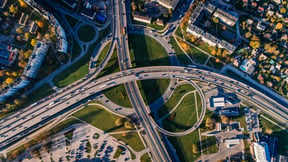
This briefing book breaks down several transportation policies being considered in states across the country. Each section includes a description of the policy, key facts and figures, and several examples of legislation passed or introduced on the state level. Sections include: active transportation, congestion pricing, electric vehicles, low carbon fuel standards, medium- and heavy-duty vehicle electrification, public transportation, transit-oriented development, the Transportation Climate Initiative, and vehicle miles traveled.

Climate Finance Briefing Book
In October 2021, the Financial Stability Oversight Council (FSOC) issued a report concluding that climate change poses an “emerging and increasing threat to U.S. financial stability,” and directed FSOC’s member regulatory agencies to institute climate financial regulations. The report comprises a climate risk supervision framework, including standards for corporations to disclose climate risk to investors and regulatory rules requiring banks and other financial institutions to measure their exposure to climate risks. Many aspects of state finances, including budgets and pensions, are exposed to climate risk. State policymakers have a range of tools and policies available that can reinforce the federal climate risk supervision framework and shield constituents from the economic threats of climate change. State governments have tremendous economic power that can be a force for shaping financial market outcomes.
Microgrids and Virtual Power Plants Issue Brief
Microgrids and Virtual Power Plants (VPPs) are two emerging energy technologies that can promote grid resilience, energy independence, and renewable energy.
Landowner Incentives for Endangered Species Conservation and Recovery Issue Brief
Over 60% of land in the United States is in private ownership. These lands support over two-thirds of the species listed under the Endangered Species Act, with 10% of listed species occurring only on private lands. Many landowners feel proud to have endangered species on their land, and are eager to steward and recover listed species and help prevent future listings. Options for supporting private landowners to engage in endangered species stewardship include management agreements, financial payments, and tax incentives.
State Legislator Hearing Guide for FERC Order 1920
Transmission planning is a critical piece of ensuring a reliable, affordable, and resilient electricity system. States and state legislators have a key role in the processes set up by the US Federal Energy Regulatory Commission recently in Order 1920: “Building for the Future Through Electric Regional Transmission Planning and Cost Allocation.”


Quarterly Impact Report – June 2024


Outdoor Wellness: Physical Health Policy Options
Time outdoors can lead to many positive benefits for human physical health, including reducing heart rate and blood pressure, lowering stress hormone levels, reducing inflammation, improving immune function, improving sleep quality, reducing risk of vision loss, and much more. State outdoor policy is uniquely positioned to address challenging public health crises through access to parks, green spaces, and active transportation by promoting physical well-being through connection with the outdoors.
Outdoor Education Fact Sheet
Outdoor education policies can promote resilience in children, including increased confidence, attention, and reductions in disruptive behavior. Outdoor education gets children outside, reducing fear and anxiety about environmental issues and increasing their sense of personal responsibility for their future and community.


Enhancing Existing Transmission Lines Issue Brief
Grid-enhancing technologies (GETs) and advanced reconductoring, the energy efficiency tools of the power grid, can help increase the capacity of the grid faster and without building new lines. By increasing the capacity of existing lines, the grid can transmit more electricity without the lengthy planning and permitting process required for new transmission build. While construction of new transmission will still be needed to support the U.S. energy transition, these…
Executive Summary: 25 Years of Trends & Drivers of State Habitat Connectivity Legislation
View this executive summary for a glance 25 years of state habitat connectivity legislation including trends, drivers, and the main catalysts for increases in the past five years.
State of the States: A Look at How Far U.S. State Habitat Connectivity Legislation Has Advanced and What is Working
Explore 25 years of connectivity legislation and case studies showcasing successful approaches. Learn more about the impact of federal policy, the role of wildlife corridors, the importance of coordination among government agencies, tribes, NGOs, and other partners, and the need for funding to support wildlife connectivity projects. This report was produced in collaboration with Wildlands Network.
Quarterly Impact Report – March 2024

2021 Youth Outdoor Policy Trends Report
2021 was a big year for youth outdoor policies. Momentum around youth outdoor engagement has been growing over the past several years. This trend has accelerated with an increased urgency due to the COVID-19 pandemic, which emphasized the value of time outside and also highlighted the inequities facing many kids and communities. As we begin 2022, we continue to track youth outdoor policies—you can follow along on our 2022 Outdoor Policy Legislation Tracker.
2022 Youth Outdoor Policy Trends Report
2022 was a big year for youth outdoor policies. This report highlights policy trends and summarizes specific bills and initiatives that were passed or enacted in 2022. We are sharing these legislative successes as examples and resources to help replicate good ideas in other states.

2023 Youth Outdoor Policy Trends Report
Outdoor policy saw unprecedented growth in 2023, with over 200 bills on outdoor recreation, education, access, and equity introduced across 40 U.S. states and at least 57 policies already enacted.


2023 Annual Report
Pesticides Briefing Book
This briefing book provides an overview of pesticides and pesticide policy, including key points, frequently asked questions, and components of effective pesticide reform. It breaks down common classes of pesticides and policies for consideration in states across the country. Each section includes a description of the pesticide class, key facts and figures, and several examples of legislation. Sections include: neonicotinoids, organophosphates, and glyphosate.
Wildlife Disease Fact Sheet
Wildlife, or “zoonotic” diseases, are caused by the transfer of pathogens between animals and humans. Over 75% of emerging diseases originate in wildlife. Their spread is exacerbated by deforestation, wildlife exploitation, development, and poor waste management, all of which increase wild animal-human proximity and the chance of wildlife disease spillover. The costs of wildlife diseases to public health are enormous, and tend to fall disproportionately on BIPOC communities, stemming from poor healthcare access and structural discrimination. If states do not take action, wildlife diseases will continue to spread, and future pandemics could be even harder to control. Experts identify the One Health approach – a recognition of the interconnections between the health of people, animals, and our shared environment – as one of the best ways to respond to the threat of zoonotic disease.
Geothermal Fact Sheet
Geothermal energy refers to the heat derived from the Earth. Geothermal resources are hot water reservoirs beneath the Earth’s surface that exist naturally or are created by human activities. Through drilling wells, these resources can be utilized for various purposes such as generating electricity, direct applications, and providing heating and cooling. Although conventional hydrothermal resources such as natural reservoirs of steam or hot water, are primarily available in the western states, geothermal energy can be tapped almost anywhere with geothermal heat pumps and direct-use applications.
PFAS Policy Options
Per- and polyfluoroalkyl substances (PFAS) are a class of man-made chemicals that includes PFOA, PFOS, GenX, and many others. PFAS are used in a variety of consumer products including non-stick cookware, water-repellent clothing, stain-resistant fabrics and carpets, personal care products, firefighting foams, and food packaging. Studies have shown that exposure to PFAS can cause adverse health effects including reproductive, developmental, and organ damage, impacts on the immune system, thyroid disruption, and cancer.
Hydrogen Hubs Issue Brief
The Biden Administration has selected seven regional hubs to each receive approximately $1 billion of federal funding to build a hydrogen hub. Hydrogen hubs are a network of producers, consumers, and needed infrastructure to streamline clean hydrogen as a climate solution for hard to decarbonize sectors like heavy-duty transportation and industry.
Electric Vehicles Policy Options
Price volatility of fossil fuels and a growing emphasis on reduction of greenhouse gas emissions make electric vehicles (EV) and hybrids an attractive alternative to conventional internal combustion engine vehicles. States have utilized multiple policy mechanisms to spur deployment and adoption of EVs, capitalizing on benefits to energy security and both environmental and human health.


Outdoor Wellness: Mental Health Policy Options
Time spent outdoors supports and improves mental health at all ages, increasing happiness, reducing stress, decreasing sleep deprivation, and reducing symptoms of ADHD, PTSD, depression, and anxiety. However, Americans spend less than 8% of their time outdoors and women, youth, and lower-income people have the least time outdoors. Climate change is also worsening mental health through extreme heat, economic instability, natural disasters, ecological grief, and climate anxiety. Restoring access to the outdoors can reduce the mental health impacts of climate change, promote hope for the future, and reduce fear and stress about climate change.
Community Solar Fact Sheet
Solar energy has gained momentum across the United States, but it is still inaccessible to a large portion of the population. Community solar provides those who face significant barriers to owning rooftop solar, such as low-income communities, renters, and businesses, to reap the benefits of solar power. When subscribed to a community solar project, the local shared solar farm feeds energy into the local electricity grid. Community solar subscribers continue to receive power from their utility provider along with a credit on their utility bill that is based on the energy generated from the solar farm. Over 40 states have at least one community solar project. Community solar makes way for affordable, locally generated, clean energy without panel installation or costly fees. Community solar makes way for affordable, locally generated, clean energy without panel installation or costly fees.
Quarterly Impact Report – November 2023
Outdoor Opportunity Legislative Toolkit
The goal of this toolkit is to provide state legislators, agency staff, and partners with a framework and resources for establishing state-level outdoor opportunity funds and grant programs. It aims to offer ideas for place-based flexibility acknowledging resource differences among states. The toolkit is intended to be used in conjunction with input from grassroots/local organizations and communities. Included in the toolkit is an introduction to outdoor opportunity grant programs, program structure considerations, an overview of existing programs, case studies, and key resources.
State and Tribal Relationships Fact Sheet
Strong State-Tribal relationships can advance state policy with thousands of years of ongoing Indigenous ecological knowledge and research. State and Tribal collaborations can offer mutual benefits across reduced legal conflict, identifying redundancies, and increased federal funding. While states have no authority over Tribal nations unless granted by Congress, all states have treaty obligations to Tribal nations, whose Tribal sovereignty exceeds state sovereignty. The relationship between Tribal nations, states, and the federal government is complicated, but recognizing Tribal sovereignty can help states avoid costly mistakes.
Active Transportation Issue Brief
Active transportation is any self-propelled, human-powered mode of transportation, such as walking or bicycling. Increasing access and prioritizing development of active transportation like walking and cycling reduces a household's reliance on single-occupancy vehicles and fossil-fuel dependent vehicles. Choosing a bike over a car just once a day reduces an average individual’s carbon emissions from transport by 67 percent. Increasing modes of active transportation also has implications for public health. Active commuting that incorporates cycling and walking is associated with an 11 percent reduction in cardiovascular risk. Communities of color are less likely to have access to safe biking and walking infrastructure, despite being dependent on forms of active transportation for essential travel at higher rates than their white counterparts. For example, Chicago’s white neighborhoods have 50 percent more bike lanes than Black neighborhoods. Creating new bike lanes, walking paths, and other active transportation infrastructure in communities of color is critical to advancing environmental justice.
Wildlife Killing Contests Fact Sheet
Thousands of animals die every year in wildlife killing contests, events where participants compete to kill the greatest number, the largest, the youngest, or the most females of a targeted species for prizes and entertainment. These contests are not monitored by state wildlife agencies and often take place on public land. Wildlife killing contests are legal in all but eight states including Arizona, California, Colorado, Maryland, Massachusetts, New Mexico, Vermont, and Washington (with a possible ninth state, New York, if the governor signs legislation). In 2023, Illinois, Nevada, New Jersey, and Virginia introduced bills to ban these contests.
Climate Justice Fact Sheet
Climate change impacts everyone. But because human societies were built on inequities, climate change does not impact everyone in the same way. For example, low-income communities have fewer resources to recover from climate disasters. In the United States, communities of color bear the brunt of pollution associated with fossil fuels and energy infrastructure. Worldwide, climate change has a disproportionate impact on women and children. Because climate change amplifies existing injustices and inequities, policies to address climate change should be designed to mitigate inequities and disproportionate impacts. Both in the U.S. and worldwide, individuals and communities that contributed the least to the climate crisis will face the greatest impacts. To advance climate justice, state legislation needs to identify and center environmental justice communities, build an inclusive economy, support community-driven solutions, require local pollution reductions, and facilitate a just transition.
Climate Justice Policy Options
Both in the U.S. and worldwide, individuals and communities that contributed the least to the climate crisis will face the greatest impacts. Because climate change amplifies existing injustices and inequities, policies to address climate change should be designed to mitigate inequities and disproportionate impacts. To advance climate justice, state legislation needs to identify and center environmental justice communities, build an inclusive economy, support community-driven solutions, require local pollution reductions, and facilitate a just transition.

Outdoors as a Climate Solution Briefing Book
States increasingly recognize outdoor policies – outdoor education, recreation, access, and equity – as critically-needed, high impact climate solutions. Highly effective climate solutions rethink and restore human-nature relationships. Accessing the benefits of time outdoors – such as improved health, learning, equity, economic growth, and resilience – improves behavior towards the environment in a feedback loop. More benefits from nature lead to more behaviors that protect nature, and so on. Outdoor policies provide the time in nature required to grasp the urgency of climate change, offer immediate relief for many emerging climate issues, and ground humanity in the knowledge that humanity is inextricable from the environment. This briefing book offers examples of how outdoor policies are being implemented as climate solutions by states across six key areas: 1. Nature-Based Solutions, 2. Outdoor Access and Equity, 3. Green Connections, 4. Outdoor and Climate Education, 5. Outdoor Economies, Workforces, and Industries, and 6. The Future of the Outdoors.
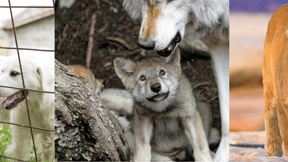
Carnivores & Coexistence Briefing Book
Carnivores play a critical role in maintaining ecosystem health and biodiversity, as well as protecting ecosystems against climate change. However, carnivores in North America - such as mountain lions, wolves, bobcats, and coyotes - have been targeted since settlement by Europeans, and many species were hunted for bounties until the 1970s. In fact, bounties are still paid in a few states. With recent recognition of their benefits, movements to conserve or even reintroduce carnivores are gaining support. Despite this progress, some states still allow activities that target carnivores, such as wildlife killing contests, unregulated hunting, and trapping. This briefing book provides an overview of the importance of carnivores, the threats they face, and policy options for ensuring their long-term viability.


Outdoor Policy as Nature-Based Solutions
Nature-based solutions (NbS), sometimes called engineering with nature, build resilience by learning from and designing with natural landscapes and ecosystems. Nature-based solutions often cost less than traditional infrastructure and offer improved disaster resilience, green jobs, increased property values, economic growth, greenspace equity, and improved public health. Environmentally-committed outdoor policy promotes and builds on nature-based solutions.
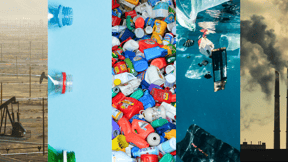
Zero Waste Policy Roadmap for a Plastic-Free Future
Plastic pollution is a global crisis causing extensive public health and ecological adversities. Single-use plastics are the most pervasive plastic pollutants that contain hazardous substances and that slowly break down into smaller particles that stay in the environment. Plastic is largely made from fossil fuels, and production is expected to increase by more than 30% over the next decade. At a current national recycling rate of 5%, recycling won’t ever be able to keep pace with the production or generation of single-use plastics. Many policies currently focus on how to manage waste once generated. But to address the full extent of the plastic pollution crisis, comprehensive policy strategies are needed that account for the full life cycle of plastics and remediate the problem upstream where it’s created.
A Natural Legacy For the Future: Overview
With one-third of our nation’s wildlife at risk of extinction, and the impacts of climate change accelerating, now is a critical time to improve the ways in which we protect our natural heritage. States are key in preventing this continued loss of biodiversity and in ensuring the availability of natural resources for future generations. The goal of this report is to highlight what is and isn’t working across states and to spotlight innovative case studies of species recovery. Actions taken before a species becomes endangered can also save the lives of individual species, in addition to saving considerable money, time, and effort.
Farm Bill Conservation Programs Issue Brief
The Conservation Title in the Farm Bill covers programs that help farmers and ranchers implement natural resource conservation efforts on working lands like pasture and croplands as well as land retirement and easement programs. These voluntary programs account for 7% of the Farm Bill budget and are around $30 billion.
Farm Bill Issue Brief
This Issue Brief is intended to give an overview of the Farm Bill, a package of legislation that influences how and what food is grown, commodity prices, trade, and more. The full Issue Brief includes the Inflation Reduction Act's (IRA) funding for the Farm Bill and more information about what areas the Farm Bill covers.


2022 Annual Report
Message from NEC’s President, Beth Kerttula State legislators who work on environmental issues are notoriously over-worked, underfunded, and outspent by well-funded polluters. At times it seems that everything is against you. But time and again, I have…

Inflation Reduction Act: Tax Credit Addendum
The IRA creates myriad tax credits for the American people to access directly. State legislators can help ensure their constituents, local businesses, and NGOs are aware of the tax credit opportunities, including the possibility of direct pay.
Utility Reform and Grid Modernization Policy Options
Utility policy to decarbonize the power sector is fundamental to addressing the climate crisis, because so much of reducing greenhouse gasses requires electrifying other sectors, like transportation and buildings. Outdated utility regulations are keeping fossil fuels online and energy costs high. Fortunately, there are many ways to modernize the grid and utility management.
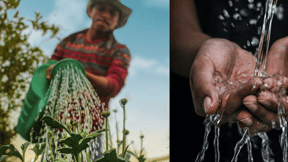
Water Briefing Book
Climate change is altering the patterns of rainfall, snowfall and runoff, which creates challenges for existing water infrastructure developed with outdated assumptions. Population growth and demographic changes concentrate people in places that are often vulnerable to drought or flood, particularly impacting regions that produce food and energy. At the same time, fish, wildlife, and other natural resources rely on water, and if healthy environments are to persist, states must accommodate their needs through innovative policy solutions. These challenges combine to create a growing policy imperative to make best use of water resources and to ensure that future growth and development is water-efficient and takes into account natural resources needs. This briefing book addresses potential state legislative options to address water scarcity in one major area: water for people.


Green Banks Issue Brief
This Issue Brief is intended to give an overview of green banks as tools to accelerate the transition to clean energy and fight climate change. The full Issue Brief includes a green banks overview section, steps state lawmakers can take to create a green bank, sample state green bank legislation, and additional resources.
The Mississippi River Restoration and Resilience Initiative (MRRRI) Fact Sheet
The Mississippi River is an important ecological, economic, and cultural resource that is in severe decline. Despite the river’s value to the communities and wildlife throughout the nation, fundamental changes to the river, its floodplain, and coastal wetlands have led to more flooding, less wildlife, fewer jobs, reduced recreational opportunities, and higher costs for keeping communities safe and ensuring that they have clean drinking water. The Mississippi River Restoration and Resilience Initiative (MRRRI) would create a framework to help reverse the decline of the Mississippi River.
Green Banks and the Inflation Reduction Act Issue Brief
This Issue Brief is intended to give an overview of green banks as tools to accelerate the transition to clean energy and fight climate change, with a specific focus on their connection to the recently enacted Inflation Reduction Act (IRA). The full Issue Brief includes a green banks overview section, information on the connections between green banks and the Inflation Reduction Act, sample state green bank legislation, steps state lawmakers can take to create a green bank, and additional resources.
Inflation Reduction Act Briefing Book
The Inflation Reduction Act (IRA) of 2022 invests a landmark $369 billion in climate and energy investments along with tax and healthcare reforms. While the IRA creates myriad tax credits for the American people to access directly, a large portion of the funding will be applied by states, who will have a vital role in the success of the programs. If properly implemented, the IRA funds have the potential to reduce emissions up to 44% below 2005 levels by 2030. This briefing book is meant to provide insight for state legislators into the various programs and funding opportunities within the IRA in order to most effectively further their climate and conservation goals.


Policy Memo: The Washington Climate Commitment Act
With the passage of S.B.5126, the Climate Commitment Act (CCA), Washington became the second state to create a comprehensive cap-and-invest program. Washington worked to improve upon the California model by limiting the role of offsets, and requiring robust air quality and environmental justice provisions. It also directs the funds generated towards a wide array of climate mitigation and adaptation programs. Like many climate policies, cap-and-invest is complex. This policy memo provides an introduction to the Climate Commitment Act and its key components. It can be used as a starting point for legislators interested in replicating Washington’s model, but is no substitute for the actual law. Download the full policy memo by clicking the link at the top of the page.

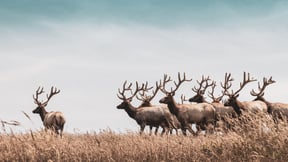
State Wildlife Commission Appointments and Governance Fact Sheet
Most over-arching state wildlife management decisions are made by a governor-appointed wildlife commission, board, or council. However, commissions have historically been homogenous in demographic makeup and primarily representative of hunting, fishing, and agricultural interests. By improving appointment criteria to encourage people of diverse backgrounds, knowledge, and experience to join state wildlife commissions, states can improve their ability to make science-based decisions for preventing biodiversity loss while staying accountable to a variety of public values and interests.

State Wildlife Agency Funding Policy Options
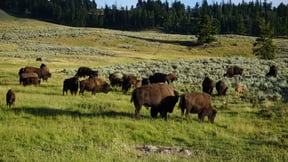
State wildlife agencies have broad responsibilities to conserve all wildlife for present and future generations, but limited capacity to fulfill these responsibilities due to severely constrained funding. Through license sales, hunters and anglers have disproportionately footed much of the bill for state wildlife agencies, and their ongoing contributions are essential to the conservation of hundreds of species. However, wildlife agencies are mandated to conserve thousands of species, including those that are not hunted or fished. Even if more federal funding is made available from the proposed Recovering America’s Wildlife Act, state wildlife agencies need additional, broad-based public funding to conserve all biodiversity within state borders and provide all people with opportunities to enjoy and benefit from wildlife conservation.


Clean Energy Jobs and a Just Transition Policy Options
The following is a non-comprehensive list of job-promoting climate and clean energy legislation and resources. Clean Energy Workforce Development CA AB 1839 (introduced 2020): states the intent of the legislature that the state adopt prevailing wage requirements, apprenticeship programs, and just transition supports as part of its COVID-19 recovery efforts. ***This bill was originally introduced as California’s Green New Deal, but modified for COVID-19 recovery. CO HB 21-1149 (enacted…
Pollinator Protection Policy Options
State legislatures have implemented a variety of solutions to protect pollinator populations and increase public awareness. The following list includes some of the different and transferable policy approaches U.S. states have taken to protect pollinators and address the various threats to these species and their habitats.
Pollinator Protection Briefing Book
Pollinators are declining rapidly due to a number of factors, including loss of habitat, loss of forage and pesticides. Some pollinators such as bumblebees and Monarch butterflies may be on the verge of extinction. Many states have enacted or are considering legislation to acquire, restore and/or protect pollinator habitat, as well as to restrict the application of pesticides and other chemicals that are harmful to pollinators. This briefing book includes a fact sheet, legislative solutions, and an FAQ.
Pollinators Frequently Asked Questions
A frequently asked questions guide to Pollinators and related issues.
Pollinators Fact Sheet
Pollinators are declining rapidly due to a number of factors, including loss of habitat, loss of forage and pesticides. Some pollinators such as bumblebees and Monarch butterflies may be on the verge of extinction. Many states have enacted or are considering legislation to acquire, restore and/or protect pollinator habitat, as well as to restrict the application of pesticides and other chemicals that are harmful to pollinators.


American Rescue Plan Funding for State Conservation Goals
In 2021, Congress passed the American Rescue Plan Act (ARPA), committing nearly $2 trillion to speed up the country’s recovery from the COVID-19 pandemic. $350 billion was set aside in State and Local Fiscal Recovery Funds, which give state, local, and tribal governments the flexibility to address regional issues of their choice. Some states used the influx of money to focus on public lands and wildlife by reserving land for new state parks, supporting habitat restoration, and funding new animal research programs. Explore the full list of how states are using ARPA funds for conservation below:
Recovering America’s Wildlife Act Fact Sheet
The world is losing countless species every day. Three billion birds alone have disappeared from North America since just 1970. State wildlife agencies are doing their best to combat this crisis, but they are significantly constrained by a lack of funds. Often, only a select number of species of greatest conservation need can be prioritized and conserved by state agencies. The protection of numerous species must be sacrificed, which leaves them at risk of extinction in our lifetimes. Preventative funding can blunt the daunting challenge of the work to recover endangered and threatened species, as well as species of greatest conservation need. The Recovering America’s Wildlife Act, or RAWA, would provide states with crucial funding to support the protection and recovery of our biodiversity.

Coastal Resilience Policy Options
The America the Beautiful initiative sets the commitment to conserving at least 30% of lands and waters by 2030. The initiative is a national call for collaboration, and states have a major role to play when it comes to coastal conservation, adaptation, and restoration. The following list includes policies to advance these goals through state legislation, and ultimately help the U.S. conserve valuable marine and coastal habitats.

Bottle Bill Fact Sheet
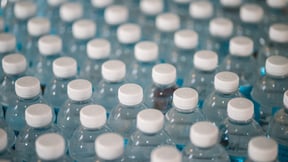
In the past few years, recycling system conditions in the U.S. have eroded significantly. Contributing factors include falling oil prices, the near total stoppage ban of plastic exports through China’s National Sword policy and industry fluctuations related to the COVID-19 pandemic. According to the EPA, only 8.7% of plastics are recycled in the United States. The remaining plastic is incinerated, landfilled, or could be used to supply plastic-to-fuel or chemical recycling, all of which are harmful to our health and environment. Deposit return systems (DRSs) or bottle bills decrease litter to help bring healthier, cleaner communities. DRS is a producer-financed system that places a refundable deposit on beverage containers made from common materials like plastic, glass, and metal. Designed as an economic incentive, customers pay a small fee on the purchase of certain beverage containers, which they get back in full when they return the empty container to a convenient and easily accessible collection point.
Chemical Recycling Issue Brief
Chemical recycling refers to the processes and technologies that break down post-consumer plastic with some combination of heat, pressure, catalysts, and/or solvents to turn it into either fuel or new plastic products.

Petrochemicals Fact Sheet
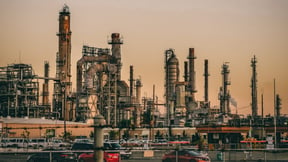
Petrochemicals come from fossil fuels, often that are fracked for very cheap, and are used to make single-use plastics. As we transition to renewable energy and the demand for oil and gas decreases, extraction is becoming less profitable. As a result, companies are now turning their focus to refining the oil and gas into petrochemicals used to make more plastic. While petrochemical companies promise economic benefits, they often bring in their own workers rather than hire locally for jobs in petrochemical and plastic facilities. The facilities - predominantly located in low-income areas and communities of color - pose major health risks and can also force schools, churches, and homes to relocate leaving communities with the choice of staying and risking their health or negotiating a buyout and abandoning their homes.


Nature-Based Climate Solutions: Forests Fact Sheet
Forest ecosystems are an important mitigator of climate change, absorbing approximately 10% of U.S. annual emissions. But globally, deforestation is responsible for 10% of annual emissions. By protecting existing forests and promoting afforestation — planting more trees — there is great potential to further mitigate climate change, all while preserving habitat, reducing water and air pollution, maintaining access to nontimber forest resources, and supporting overall well-being. Limiting deforestation and promoting afforestation is one of the most cost-effective responses to climate change.


2021 Annual Report

2021 Bipartisan Infrastructure Bill Briefing Book
The bipartisan Infrastructure Investment & Jobs Act (enacted, 2021) provides abundant funding opportunities for states to build resilience against climate change and natural disasters, support sustainable transportation systems, restore natural resources, improve access to clean water, and much more. This briefing book is meant to provide insight for state legislators into the various programs and funding opportunities within the Bipartisan Infrastructure Law as they relate to climate and energy, conservation, and environmental health.


A National Strategy for the Biodiversity Crisis Fact Sheet
One million species are facing extinction according to the 2019 Intergovernmental Science-Policy Platform on Biodiversity and Ecosystem Services report, due to habitat destruction, overexploitation of wildlife, climate change, introduction of invasive species and pollution. The loss of biodiversity threatens human, environmental, and wildlife health by reducing ecosystem services such as: zoonotic disease buffering, water filtration, pollination, soil replenishment, provisioning of game species, and recreational opportunities. Biodiversity loss also disproportionately affects people of color, low-income and tribal communities who have been systematically targeted with harmful environmental policies and excluded from conservation efforts.
Organophosphates Fact Sheet
Organophosphates are a class of pesticides that are responsible in part for pollinator decline. They are primarily used in the agriculture, landscaping, and mosquito management industries. Although their ubiquity declined in 2001 after the EPA made discoveries regarding their adverse effects on human, wildlife, and ecosystem health, they still account for 33% of all insecticides on the market. Some examples of organophosphates include: chlorpyrifos, glyphosate, malathion, diazinon, and disulfoton. While organophosphates are not solely responsible for pollinator decline, they are an important contributor. Their effect is similar to neonicotinoids, another class of pesticides often included in state policies. Organophosphates target the nervous system of insects, inhibiting pollinators’ capacity to function properly. Exposure to organophosphates often disrupts bees’ ability to find pollen and return to the hive, leaving the colony vulnerable to developing colony collapse disorder. Additional restrictions or regulations on use of these insecticides would be beneficial to pollinator health.
Offshore Wind Policy Options
In the United States, offshore wind has a technical potential of generating over 2,000 GW, or approximately twice what is generated today in the nation’s entire electric grid. Offshore wind would also bring significant benefits to coastal communities and help transition away from fossil fuels. Its development is instrumental to the nation’s transition to a clean energy economy. However, the United States falls behind other world leaders in offshore wind development and only has two operational offshore wind farms to date: Block Island Wind Farm and Coastal Virginia Offshore Wind. State policymakers have introduced and passed legislation to set development targets, protect the environment, address environmental justice concerns, and establish frameworks for the responsible development of offshore wind. Now, amid the federal government’s commitment to creating tens of thousands of jobs and deploying 30GW of offshore wind by 2030, state leaders can ensure these policies are in place.
30×30 Policy Options
For state legislators, the goal of conserving 30% of land and water by 2030 offers the opportunity to protect critical wildlife habitat, increase outdoor access for underrepresented communities, boost local economies, and prevent continued ecosystem degradation and loss. There are many paths to 30%, as outlined below. As federal momentum continues to build, states can play a key role in protecting lands and waters that support ecosystem, economic, and community health.

Nature-Based Climate Solutions: Blue Carbon Fact Sheet
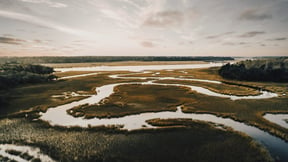
Blue carbon is the carbon naturally captured by the ocean and coastal ecosystems, such as seagrass beds, mangroves, salt marshes, and kelp forests. Blue carbon ecosystems can sequester and store more carbon per unit area than terrestrial forests and are critically important to climate change mitigation. We are losing blue carbon ecosystems to climate change and environmental degradation caused by human activities. As we lose these ecosystems, stored carbon is released back into the atmosphere, effectively creating an additional source of greenhouse gas emissions. In order to ensure that coastal ecosystems can continue to capture and store carbon, immediate conservation and restoration efforts are needed. At the state level, legislators can enact policies to advance conservation and restoration efforts.


The Blue Economy Policy Options
The blue economy is defined as the sustainable use of ocean resources for economic growth. Not all ocean-based activities fall under the definition of blue economy, but only those that protect coastal resources. At the state level, legislators can enact policies that incentivize innovation, conservation, and community engagement to drive a sustainable economy while promoting ocean health.
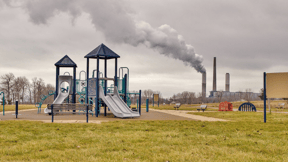
Environmental Justice Issue Brief
This issue brief provides an overview of environmental justice, key facts and terms for understanding the trends of environmental injustice, as well applicable strategies for implementing environmental justice strategies.
Environmental Justice and Cumulative Impacts Policy Options
This one-pager provides some examples of environmental justice and cumulative impacts legislation from across the country.
Outdoor Engagement Fact Sheet
Outdoor engagement presents a unique opportunity to serve diverse constituencies because it provides mental and physical health benefits, supports economic development, and connects communities. Time spent outside has been shown to reduce stress, help treat ADHD in children, and ameliorate PTSD symptoms in veterans. However, there is increasing recognition that these benefits aren’t distributed equally, and states are working to ensure nature access is equitable and available for all communities. Outdoor recreation can also provide new economic opportunities for community development and several states have established Offices of Outdoor Recreation to better coordinate these efforts.
Outdoor Engagement Policy Options
There are several state legislative approaches to promote time outdoors, the associated health benefits, and public lands conservation.
PAHs Coal Tar Sealants Fact Sheet
Polycyclic Aromatic Hydrocarbons (PAHs) are a class of toxic contaminants that don’t break down in the environment. PAHs are known to have harmful impacts on humans and the environment, and several PAHs are probable human carcinogens. Coal tar sealants contain high concentrations of PAHs. These sealants are used to maintain driveway, playground, and parking lot asphalt pavement that humans come in contact with daily. There are safer and cheaper alternatives available. As coal-tar sealants age, they are broken into small particles in the air and soil with high quantities of PAHs that can be ingested or tracked into homes.
Nutrient Pollution FAQ
This one-pager includes answers to frequently asked questions about nutrient pollution including what hypoxia is, the sources of nutrient pollution, and strategies to combat pollution.
Plastic Pollution Policy Options
Plastic pollution is infiltrating waterways worldwide, accumulating as toxic debris in marine life, and ultimately harming the humans who consume seafood. Single-use plastics, such as bottles, straws, and utensils, are the most pervasive plastic pollutants and slowly break down into smaller particles that stay in the environment. Recycling alone is not enough to meet these threats as plastic is predominantly made from fossil fuels and production is expected to increase by more than 30% over the next decade.
Economic Case for a Circular Economy
Only 9% of all plastic waste ever made has been recycled. So where does the rest of the plastic go? A vast majority of plastic pollution accumulates in landfills, where it then makes its way into the environment and, eventually, into the oceans. Plastics can withstand extreme and harsh conditions and can take hundreds of years to decompose in landfills and the environment. It is in the water we drink – even the air we breathe – and has major implications for human health. However, plastic pollution doesn’t just affect the environment and human health, it is also a huge economic burden. This one-pager outlines the economic costs of plastics and the benefits of reusables.
Plastic Pollution Briefing Book
Plastic pollution is infiltrating waterways worldwide, accumulating as toxic debris in marine life, and ultimately harming the humans who consume seafood. Single-use plastics, such as bottles, straws, and utensils, are the most pervasive plastic pollutants and slowly break down into smaller particles that stay in the environment. Recycling alone is not enough to meet these threats as plastic is predominantly made from fossil fuels and production is expected to increase by more than 30% over the next decade. This briefing book contains a fact sheet, policy options, and messaging.
Mississippi River Flood Resilience Fact Sheet
Green infrastructure refers to natural systems such as wetlands or perennial vegetation that provide multifaceted environmental and economic benefits. These systems can mitigate floods and storm surges, filter pollutants, and provide habitat for endangered species. Green infrastructure in the Mississippi River region alone is valued at $12 - $47 billion annually. In the last 10 years, 73% of springtime flood disasters have occurred in inland states. In 2019 alone, states across the Mississippi River region have experienced record-breaking flooding. As a result, states have looked to implement flood mitigation and adaptation practices beyond their existing built infrastructure (such as dams and levees) to establish long-term resilience.
Young Farmer Policy Options
According to the 2017 USDA Census of Agriculture, the average age of farmers is 59, meaning a majority of farms will need to be passed on to the next generation in the coming years. Bringing young and new farmers into the workforce is vital to ensuring the security of our food supply. Furthermore, engaging young farmers will make for more sustainable farms; a survey led by the National Young Farmers Coalition revealed that 75% of young farmer respondents described their farming practices as sustainable (i.e., cover crops, rotational grazing, no-till). However, young and beginning farmers face numerous challenges such as access to affordable farmland, which is compounded by other economic barriers including student loan debt, health insurance, and credit access. Listed below are policy options to reduce some of these barriers and encourage young and beginning farmers to enter into farming.
Microbeads Fact Sheet
Small pieces of plastic—called microbeads—are accumulating in waterways across the U.S., and at least 15 states have passed or introduced legislation to address the problem. Microbeads are exfoliants commonly found in personal care products like soap. Due to the small nature of microbeads—less than one millimeter in diameter—the majority of water treatment plants are unsuitable for removing these particles from outgoing water. Once in the environment, microbeads absorb toxins before being ingested by fish that mistake them as a source of food. These toxins accumulate as they move up the food chain, and eventually pose a risk to humans and other wildlife eating the fish. Companies like L’Oreal and Johnson & Johnson recently announced plans to phase out microbeads, but it’s unclear whether they will use sustainable alternatives or other plastics.
Wildlife Trafficking Briefing Book
Illegal ivory and rhino horn trafficking is an escalating global issue. Elephants and rhinos may soon be driven to extinction by poaching. The demand for elephant ivory and rhino horn, driven by China, Japan, the Philippines, the United States and other countries, has created a massive international market that has detrimental economic, social and environmental impacts in Africa. Poaching is now a sophisticated international crime racket and a national security threat with terrorist organizations using profits to finance attacks. The U.S. Fish and Wildlife Service recently instituted a near ban on ivory and rhino import and domestic interstate trade. But the states must regulate in-state sales. Many states have enacted or introduced a ban on ivory and rhino horn trades in their jurisdictions. This briefing book includes a fact sheet, an FAQ, and a matrix of bill provisions.
Wildlife Connectivity Opportunities for State
Briefing book compiled by NEC, the Center for Large Landscapes, Wildlands Network, and Endangered Species Coalition outlines six different areas that state legislators could take action on.
Wildlife Corridors Policy Options
The United States is home to a rich array of wildlife. Both habitat connectivity and wildlife corridors play a vital role in species survival as well as in preserving ecological functions such as healthy water supplies.
Legislative Solutions for Healthy Rivers Issue Brief
State governments have proposed and implemented a number of successful strategies for healthy rivers. Many of the policies included in this resource were crafted with the involvement of the local agricultural communities, such as local Farm Bureaus.
Lead Contamination Fact Sheet
The crisis in Flint, Michigan created a national effort to reduce lead contamination. The majority of lead contamination comes from lead paint and dust, but corrosion of plumbing fixtures that contain lead can lead to drinking water contamination posing significant health risks. Lead’s impacts on the brain and nervous system health effects ranging from anemia to low birth weight, and can also lead to cognitive impairment reducing lifetime earnings while increasing the need for special education. Children are particularly susceptible to the negative impacts of lead contamination because they are still developing and absorb more ingested lead than adults. Studies estimate that it would take approximately $400 billion and ten years to tackle America’s lead problem. New efforts seek to expand lead testing and reevaluate the level of lead in water that requires action.
Carnivore Protections Policy Options
As the benefits of carnivores to ecosystem health are becoming recognized by scientists, the methods of killing carnivores are coming under scrutiny. Awareness of wildlife killing contests in particular has reached the public consciousness and energized citizens and governments to act. New Mexico and Vermont passed bills (in 2019 and 2018, respectively) banning coyote killing contests. California enacted a similar ban on contests for furbearing and nongame animals via agency regulation in 2014; Arizona did so in 2019. In 2019 seven states introduced legislation to ban various contests. Some legislative options are found below.
Infrastructure Fact Sheet
As storm surges grow in frequency and strength, management of flooding and stormwater around the Mississippi River and Great Lakes has become vital in protecting regional communities. In response to these challenges, states have introduced legislation to maintain and strengthen built and natural infrastructure, and establish funding mechanisms to support these efforts.
Toxic Flame Retardants Fact Sheet
Toxic chemicals known to cause cancer and other health effects are prevalent as flame retardants in standard household items like couches and carpet, as well as in firefighter uniforms. In past decades, many states mandated that manufacturers incorporate these chemicals into consumer products. These policies were enacted before scientists were able to determine the effects of these chemicals on health, and often with the strong support of the chemical and tobacco industries. Today, new research has called into question both the effectiveness of these chemicals--such as chlorinated tris and polybrominated diphenyl (PBDE)--and the associated health risk to consumers and firefighters.
EPR for Packaging Fact Sheet
Millions of tons of post-consumer packaging enter our municipal solid waste management systems each year. While some is recycled, most is incinerated or buried in landfills. This volume of waste results in environmental harm and injustice, excess costs to taxpayers and potentially valuable recycling materials wasted. Extended Producer Responsibility (EPR) (also referred to as product stewardship) ensures packaging producers assume responsibility for the cost of collecting and sorting recyclables at end of life. Producers internalize these costs by incorporating them into the price of new products. This creates an incentive to design better and identify opportunities for efficiency in the recycling system to reduce costs, leading to an increase in recycling. EPR is a strategy to add all of the environmental costs associated with a product throughout the product life cycle to the market price of that product.
Neonicotinoids Fact Sheet
A relatively new class of insecticide called neonicotinoids has been linked to pollinator decline worldwide. Numerous studies demonstrate that neonicotinoids pose a threat to bee populations in particular. Scientists recognize that other factors such as disease also contribute to the decline, and that banning these products will not likely save the bees alone. Research does show, however, that these insecticides have negative impacts and that restricting their use would benefit pollinators.
Elephant Ivory and Rhino Horn Bans Fact Sheet
Illegal ivory and rhino horn trafficking is an escalating global issue. Elephants and rhinos may soon be driven to extinction by poaching. The demand for elephant ivory and rhino horn, driven by China, Japan, the Philippines, the United States and other countries, has created a massive international market that has detrimental economic, social and environmental impacts in Africa. Poaching is now a sophisticated international crime racket and a national security threat with terrorist organizations using profits to finance attacks. The U.S. Fish and Wildlife Service recently instituted a near ban on ivory and rhino import and domestic interstate trade. But the states must regulate in-state sales. Many states have enacted or introduced a ban on ivory and rhino horn trades in their jurisdictions.
Business Solutions for Clean Water
From manufacturing and water treatment facilities, to boating and fishing, America’s freshwater is intricately tied to businesses and economic opportunities. Businesses heavily rely on clean water to keep their operations running, and poor water quality and degrading infrastructure are posed to harm business success. In fact, estimates show that infrastructure failure could result in $147 billion in increased cost of water rates to businesses. As a result, business leaders and federal, state, and local programs that engage with them to protect freshwater resources are vital. Provided below are some examples of state incentives, partnerships, and opportunities that legislators can apply in their own state.
Invasive Species Fact Sheet
Invasive species (IS) are any type of living organism that are not native to an ecosystem and cause harm. IS are found in all 50 states, and are characterized by their tendency to outcompete native species due to rapid reproduction rates and their ability to withstand threats that native species cannot. Invasive species can occur on land (terrestrial) or in water (aquatic). Some common examples of IS are: lionfish (aquatic), Russian olive tree (terrestrial), zebra mussels (aquatic), and Burmese pythons (terrestrial). With over 50,000 non-native species and growing in the United States, the threats to the environment and the economy are spreading fast.
Green Amendment Fact Sheet
Green Amendments (often called “environmental rights amendments”) are self-executing provisions added to the bill of rights of a state’s constitution. They aim to put environmental health and safety on par with our other civil liberties. These amendments would provide general, legally defensible expectations as to what constitutes a healthy environment for citizens. Most notable are individuals’ rights to clean air, water, and a stable climate. The concept of state Green Amendments has been spreading since lawyer and environmentalist Maya van Rossum helped secure a landmark legal victory against fracking around the Delaware River watershed, using Pennsylvania’s long-ignored Green Amendment.
Wildlife Corridors & Crossings Fact Sheet
Wildlife corridors and crossings are a vital and cost effective way to maintain resilient landscapes for fish and wildlife. Crossings can be in the form of highway overpasses, underpasses, or culverts, which provide safe crossings and genetic dispersal for plants and animals. Corridors are large areas of undeveloped habitat that connect critical core habitats, allowing for animal movement and healthy genetic dispersal. Many state legislatures and agencies have championed corridors and crossings, with a recent increase in activity following several new federal funding opportunities. These include the Infrastructure and Investment Jobs Act, which allocates billions of dollars for wildlife crossing infrastructure, and the America the Beautiful Challenge, a new 5-year $116 million competitive grant program which supports a range of conservation projects and includes habitat connectivity as a core tenet.

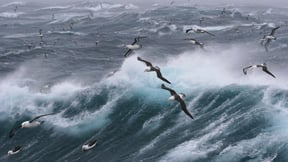
Coastal Hazards and Risks Fact Sheet
In recent years, sea level rise and the increasing frequency and strength of severe weather events have become major challenges for coastal communities, where flooding has caused billions of dollars in damage to both natural (i.e., wetlands) and built (i.e., sea walls) infrastructure. Building off of federal programs like NOAA’s Coastal Zone Management Act, which provides matching funds to states and local governments to develop coastal protection programs, many state legislatures have instituted task forces focused specifically on creating resilient coastlines. These projects include flood and storm-resilient infrastructure, impeding coastal erosion, and rebuilding, protecting, and preserving natural flooding buffers like wetlands.
Chronic Wasting Disease Fact Sheet
Chronic Wasting Disease (CWD) is a fatal neurological disease that affects cervids (deer, elk, moose, and caribou). This wildlife disease has raised concern in regards to its implications for hunters who often come into direct contact with these animals, and for Indigenous and other communities that typically consume cervid meat. Economic impacts have also been reported, with a decline of Minnesota deer licenses purchased between 2017-2019 in regions affected by CWD.
Bird-Safe Buildings Fact Sheet
Bird-building collisions kill between 365-900 million birds per year. Bird-safe buildings mitigate this issue by addressing two building design flaws. First is the “window effect,” where birds see landscape reflections in windows and assume it is a safe area to fly. Decals and coating or partitionings can be used to distinguish windows from the environment. Artificial lighting is the second leading factor as it disorients tired, migrating birds during their night time travels. The Lights Out Initiative and use of UV light censoring windows are two strategies that are successful in reducing collisions. Measures like these also benefit humans, as they reduce the burden of light pollution on BIPOC communities, who receive disproportionate exposure. State legislative action can be taken to reduce collisions and address the two leading building design issues. New York City recently passed Initiative 1482B, the most sweeping bird-safe building policy in the nation, requiring 90% of new buildings to be built with bird friendly materials.
30×30 Fact Sheet
For state legislators, the goal of conserving 30% of land and water by 2030 offers the opportunity to protect critical wildlife habitat, increase outdoor access for underrepresented communities, boost local economies, and prevent continued ecosystem degradation and loss. Bookending the release of the DOI’s America the Beautiful Report, which outlines early recommendations for achieving 30x30, a number of state and local governments have introduced legislation in support of this goal. As federal momentum continues to build, states can play a key role in protecting lands and waters that support ecosystem, economic, and community health.

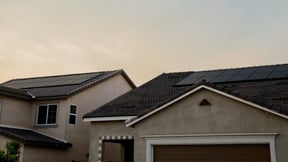
Property Assessed Clean Energy Fact Sheet
Property Assessed Clean Energy (PACE) is a financing tool used to provide property owners affordable, long-term capital to implement energy efficiency and renewable energy improvements. Thirty-six states and D.C. have enabled commercial PACE, and several others are considering legislation despite attempts to roll back the program. PACE financing is attached to the property rather than the owner, enabling PACE financing terms to reach as long as 20 years, making projects much more affordable in many cases. Since 2008, residential PACE financing has been available in a few jurisdictions in states such as California and New York, and at least four states now offer residential PACE financing. After original Federal Housing Administration (FHA) objections, the FHA released residential PACE guidance (PDF) for properties with FHA- insured mortgages, and the U.S. Department of Energy (DOE) released updated Residential PACE Best Practices.
The PJM Interconnection Fact Sheet
While states set their own clean energy goals and utility policy, wholesale markets and electricity transmission between states are regulated by the Federal Energy Regulatory Commission (FERC). In many cases, this is organized through Regional Transmission Organizations (RTOs). RTOs are responsible for managing the capacity market, which ensures that electricity procurement meets future demand with adequate reserves. The PJM Interconnection is the RTO for all or parts of Delaware, the District of Columbia, Illinois, Indiana, Kentucky, Maryland, Michigan, New Jersey, North Carolina, Ohio, Pennsylvania, Tennessee, Virginia, and West Virginia. Every three years, PJM holds an auction to determine the prices of energy resources for the capacity market.
Sustainable Communities Fact Sheet
This fact sheet contains policy solutions for healthy communities for energy, water, transportation, and communities.
Offshore Wind FAQ
This one-pager includes answers to frequently asked questions about offshore wind.
Offshore Drilling Policy Options
With rollbacks to offshore drilling protections and the proposal to open up more coastline to leases, states are more energized than ever. After Secretary Zinke announced his intention to increase offshore drilling, over 225 state legislators signed a letter opposing this threat on coastal states’ environment and economies. This leasing program would open a majority of the United States Outer Continental Shelf to oil and gas exploration and construction. It would also represent the first time in decades that many states’ coasts would be exposed to such development and potential harm. In response, states are looking to protect their coasts against offshore drilling against this and all future threats. By passing resolutions, restrictions, and liability laws, states are taking bold steps to stop offshore drilling.
Offshore Drilling FAQ
This one-pager includes answers to frequently asked questions about offshore drilling including what seismic testing is, the harms of offshore drilling, and if offshore drilling is profitable.
Offshore Drilling Fact Sheet
This year the Biden-Harris Administration placed a moratorium on new oil and gas leasing in federal waters through a sweeping executive order. This policy represents a monumental shift from the Trump administration’s rollbacks to offshore drilling protections and proposals to open up more than 90 percent of the coastline to oil and gas exploration and construction. While the Biden-Harris Administration’s commitment to act on climate is encouraging, now is the time for states to act and permanently block offshore drilling off their coasts through resolutions, bans in state waters, restrictions on seismic testing, and strict liability laws.
Offshore Drilling Briefing Book
This year the Biden-Harris Administration placed a moratorium on new oil and gas leasing in federal waters through a sweeping executive order. This policy represents a monumental shift from the Trump administration’s rollbacks to offshore drilling protections and proposals to open up more than 90 percent of the coastline to oil and gas exploration and construction. While the Biden-Harris Administration’s commitment to act on climate is encouraging, now is the time for states to act and permanently block offshore drilling off their coasts through resolutions, bans in state waters, restrictions on seismic testing, and strict liability laws. This briefing book contains a fact sheet, faq, timeline, and list of enacted legislation
Ocean Acidification Fact Sheet
Ocean acidification (OA) is the name for the process of the oceans becoming more acidic due to increased levels of carbon dioxide in the atmosphere. This change threatens ocean ecosystems, the food chain and the livelihood of coastal residents. As the ocean absorbs carbon dioxide, it reacts with water molecules to form carbonic acid, thereby increasing the overall acidity. This puts commercially and culturally important species such as lobsters, clams and oysters at risk. More information is needed about the extent of these changes in specific regions and how to best mitigate those effects.
Nature-Based Climate Solutions: Soil Fact Sheet
Agriculture has the potential to both mitigate and contribute to climate change. Agriculture contributes 10% of U.S. emissions, particularly from nitrous oxide. At the same time, good land use practices currently absorb 12% of our emissions. By improving agricultural practices, we can reduce existing emissions and enhance our soil’s ability to sequester carbon. Healthy soils practices can reduce emissions from poor soil management. States are increasingly finding ways to support farmers as they improve soil health.
Hydraulic Fracking Fact Sheet
Science has struggled to keep pace with the rapid expansion of hydraulic fracturing--commonly called fracking--over the last decade. Concerns over environmental impacts and implications for human health have caused several state legislatures and local municipalities to enact stricter regulations of the drilling process, or in an increasing number of cases establish moratoriums until more science is available. Currently, oil and gas fracking wells are active in at least 30 states. Fracking injects millions of gallons of fluid -- a mixture of water, sand and undisclosed chemicals--into a deep well to fracture the rock and release gas or oil. In some cases, the fluid returns to the surface with new, dangerous chemicals such as arsenic, a known carcinogen.
Electric Vehicles Fact Sheet
Price volatility of fossil fuels and a growing emphasis on reduction of greenhouse gas (GHG) emissions make electric vehicles (EV) and hybrids an attractive alternative to conventional vehicles. Consumer-driven adoption of EVs has largely lagged, making up a small percentage of registered automobiles currently on U.S. roadways. States have utilized multiple policy mechanisms to spur deployment and adoption of EVs at the commercial scale, capitalizing on benefits to energy security and both environmental and human health.
Carbon Pricing Fact Sheet
States are taking action to mitigate climate change by charging emitters for carbon dioxide and greenhouse gas (GHG) emissions. There are multiple policy models states have looked to both curb emissions and strengthen their energy economies in the process. What follows is a summary of these models and examples of introduced legislation that utilize them.
Plastic Pollution Myth vs Fact
This sheet debunks some of the common myths surrounding plastic pollution.
Offshore Wind Fact Sheet
The offshore wind industry has been slow to take hold in the United States but is now gaining momentum among policymakers and financiers. The success of Block Island Wind Farm, the United States’ first operational offshore wind farm located off the coast of Rhode Island, and a growing demand for renewable energy are signs of new potential for development. With the right policy drivers and a robust stakeholder engagement process, coastal and Great Lakes states can harness the economic potential of offshore wind to create jobs and produce clean, renewable energy for years to come.
2020 Annual Report
Representative Ken Helm Spotlight
Representative Ken Helm sponsored Oregon HB 2834 requiring the State Department of Fish and Wildlife, to establish a Wildlife Corridor Action Plan. The plan will be used by state agencies to set benchmarks to ensure wildlife habitat connectivity and increased public safety on major roadways.
Senator Dave Marsden Spotlight
Senator Dave Marsden sponsored Virginia SB 1004 creating the Wildlife Corridor Action Plan. The plan instructs the state Department of Transportation to identify wildlife corridor sites for future construction.
Senator Mimi Stewart Spotlight
Senator Mimi Stewart sponsored New Mexico’s SB 228 which authorizes the state Department of Game and Fish and the Department of Transportation to make recommendations to eliminate barriers to wildlife migration in a way that protects animal and human safety through a Wildlife Corridor Action Plan.
Senator David Watters Spotlight
Senator David Watters sponsored New Hampshire SB 200 requiring the recognition and protection of wildlife corridors and habitat strongholds as a public good.
Representative Angelica Rubio Spotlight
Representative Angelica Rubio sponsored New Mexico SB462 to create the Division of Outdoor Recreation and establish the Outdoor Equity Grant Program. The grant program provides funding to encourage outdoor programs for low-income and disadvantaged youth.
2019 Annual Report
2018 Annual Report
2017 Annual Report
No matching entries.


Media Kit
Members of the press are welcome to use the following assets when writing about the National Environmental Caucus. Contact our Communications Manager for photos and images.
- Logo files
- Boilerplate language
- Brand guidelines
Support the Network
Your generosity helps create opportunities for state legislators to meet, collaborate, and improve lives in their states.

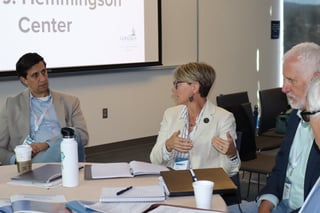
Subscribe to the National Environmental Caucus Newsletter
Stay up to date on upcoming events, opportunities to expand your network, and the latest environmental policy trends from across the U.S.