Wildlife Trafficking Policy Options

ResourceWildlife
Download Resource

Point of Contact
Defining and Regulating Exotic Wildlife:
At least 19 states ban the trade and sale of exotic wildlife and their body parts, while other states have a partial ban on certain species, a licensing scheme, or no ban. Lists of prohibited exotic wildlife species vary by state but typically include: elephants, rhinos, pangolins, great apes, wild cats, sharks, and whales.
- Pennsylvania HB 994 (Passed House, 2025): Prohibits the purchase, sale, offer for sale, or possession with intent to sell any covered animal parts or products of 22 exotic species, and establishes fines ranging from $5,000 to $20,000.
- Colorado SB25-168 (Enacted 2025): Strengthens CPW’s authority to enforce wildlife trafficking laws by creating additional investigative positions; enhances penalties for trafficking state, federal, and CITES (international) listed species; creates a position for collecting population data about Colorado’s native reptile species.
Ivory and Rhino Horn:
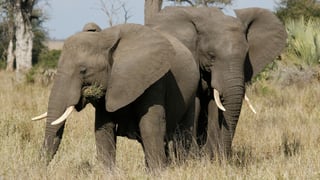
Ivory and rhino horn trafficking causes detrimental economic, social, environmental impacts in Africa and has been linked to international terrorist organizations. While the U.S. Fish and Wildlife Service has instituted a near ban on ivory and rhino import and domestic interstate trade, states must still regulate in-state sales.
- New Jersey and New York became the first states to ban sales of ivory and rhino horn products in 2014. California and Washington enacted similar laws in 2015, followed by Hawaii and Oregon in 2016. Since that time, Illinois, Maryland, Minnesota, Nevada, New Hampshire, New Mexico, and Vermont have enacted ivory and rhino horn bans.
Shark Fins:
Shark finning, or removal of a shark’s fins for use in culinary dishes and medicines, contributes to the global decline of sharks which are critical to marine ecosystems. Federal law prohibits shark finning and trade in the US, yet fins still find their way to the U.S. from other countries, and fins can be detached from legally fished sharks once on land. In response, at least 13 states and 3 territories prohibit the possession, trade, and sale of shark fins.
- Hawaii, California, Oregon, and Washington have all enacted legislation prohibiting intra-state trade of shark fins which effectively creates a U.S. Pacific Coast-wide ban.
Exotic Pet Trade:
Between 2009 and 2018, nearly 10 million wild animals were imported to the U.S. for the exotic pet trade. Over a quarter of imported species are facing population decline and extinction. The exotic pet trade poses other risks including spread of invasive species and disease outbreaks including monkeypox and West Nile Virus.
- New York S. 6211C (Passed Senate 2023): Establishes definitions and creates a licensing scheme for keeping wild and exotic animals as pets.
- South Carolina H 3531 (Enacted 2017): Makes it illegal to import, possess, purchase, have custody or control of, breed, or sell a large wild cat, non-native bear, or great ape.
Domestic Native Species:
Most wildlife in the U.S. are considered non-game species with few resources available for regulating, monitoring, and enforcing their collection and sale. Reptiles and amphibians are particularly vulnerable. The U.S. is home to the greatest diversity of turtle species in the world, which are coveted on both domestic and international markets. State regulations vary widely, but approximately 29 states allow some commercial use of native amphibians or reptiles, while 48 states allow for personal or hobby collection.
- South Carolina H 4831 (Enacted 2022): Makes it unlawful for a person to possess, sell, barter, trade, ship, or remove from the state any native reptile species, as defined, with penalties up to $2500 and one year in jail.
- Hawaii SB 849 (Enacted 2025): Prohibits and imposes penalties for the intentional taking, harming, or killing of ʻIo (Hawaiian hawk); increases penalties and fees for taking and killing indigenous species of native aquatic life, wildlife, and land plants.
Supply Chain Transparency and Research:
Some states are looking beyond their borders to help prevent wildlife trafficking, through product certification processes and targeted forensics research to identify sources of illegal wildlife and plant products.
- New York A. 9711 (Passed both chambers, 2024): Mandates that contractors certify their products do not contribute to tropical deforestation or degradation, with large contractors required to adopt policies related to supply chain transparency, protection of biodiversity, and respect for Indigenous and local community rights.
- Washington SB 5693 (Enacted 2022): Appropriates $1 million for the creation of an environmental forensics research center to help disrupt and dismantle illegal international wildlife and plant trade (see p. 703 #47).


Quarterly Impact Report


Quarterly Impact Report – June 2026


Nature-Based Solutions Policy Options
Detailed Discussion of the Exotic Pet Trade
Animal Legal & Historical Center's page on exotic pet trade and its impacts.
State of Fish and Wildlife Reptile and Amphibian Regulations
The Association of Fish and Wildlife Agencies' report on state-level wildlife regulation.
Subscribe to the National Environmental Caucus Newsletter
Stay up to date on upcoming events, opportunities to expand your network, and the latest environmental policy trends from across the U.S.