Bird-Safe Buildings Fact Sheet

ResourceWildlife
Download Resource

Point of Contact
Legislation
- Mitigating Light Pollution: Eighteen states and the District of Columbia have light pollution reduction laws, with Oregon’s HB 3119 and Connecticut’s HB 5289 as recent examples.
- Bird-Safe Construction Measures: States can adopt bird-safe measures that new construction must follow and mandate that building renovations comply with bird-safe standards, such as HF 1984 of Minnesota (2015).
- The Lights Out Initiative: Cities across the country have established chapters promoting the reduction of household light usage during peak migration periods to reduce the rate of bird-building collisions.
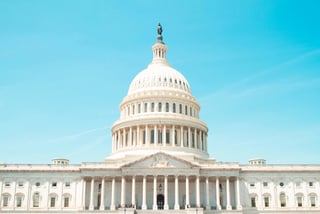
- Federal Example: HR 919 , the bipartisan Bird-Safe Buildings Act, passed the House in 2020 and can serve as a bipartisan framework of policy that states may follow.

Quarterly Impact Report

Quarterly Impact Report – June 2026


Nature-Based Solutions Policy Options
Bird Safe Building Guidelines - Audubon
The Audubon Society’s Guidelines for Bird-Safe Buildings provide strategies and techniques to improve existing and new buildings.
Factors influencing bird-building collisions in the downtown area of a major North American city
A Public Library of Science report highlights leading factors in bird-building collisions.
Artificial Lighting and Bird Migration - Audubon
An Audubon Society's article on how artificial light is attributed with delaying the migration times of many of America’s migratory birds.
Bird–building collisions in the United States - Ornithological Applications
Ornithological Applications report found that several species listed as Birds of Conservation Concern are especially vulnerable to bird-building collisions
How ‘dark sky’ designations are giving communities new tourism appeal - Washington Post
A Washington Post article shows that lights out initiatives may benefit both tourism and bird safety.
Subscribe to the National Environmental Caucus Newsletter
Stay up to date on upcoming events, opportunities to expand your network, and the latest environmental policy trends from across the U.S.