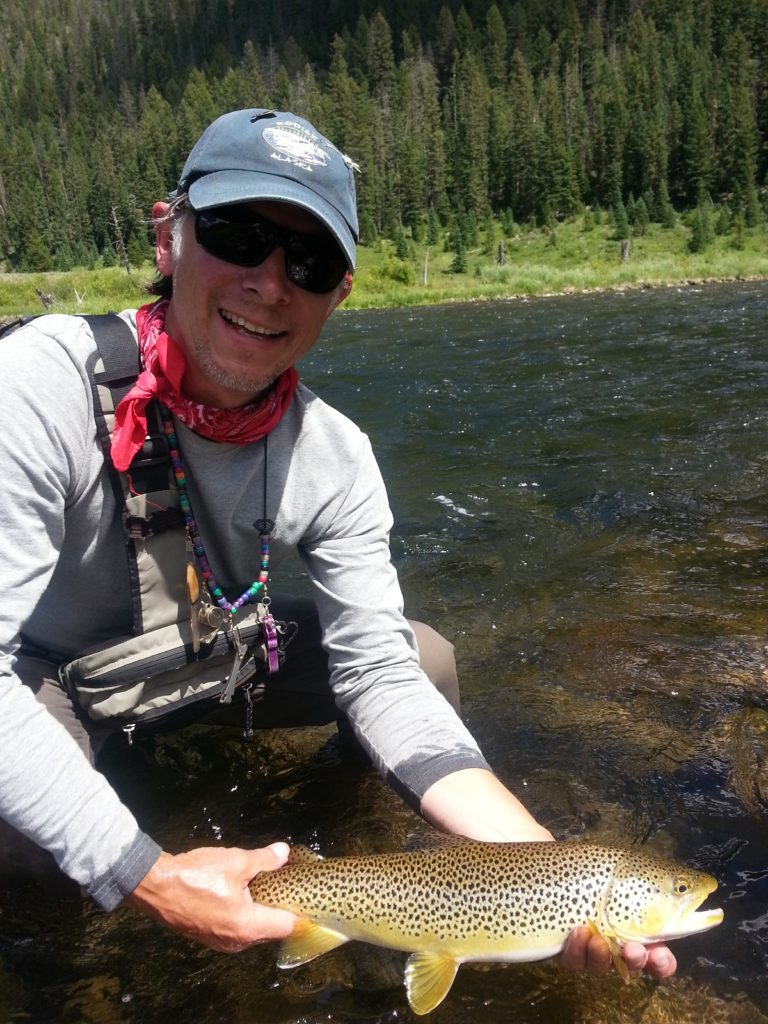
Representative Ken Helm Spotlight

ResourceLand, Wildlife
Download ResourcePoint of Contact
Why is habitat connectivity an important issue to you?
As state legislators, we know that the wildlife within our borders is held in trust for our citizens. Managing this resource is a great honor and a serious responsibility. Our fish and wildlife had their own ancient ways and migration routes long before we built our roads, farms, and communities. Recognizing the impacts of development, we have a duty to learn and implement science-based approaches to reduce harm we cause to wildlife habitat. Wildlife corridors are a crucial tool in that work.
What are some of the impacts of habitat connectivity beyond those for wildlife?
Strategically placed wildlife corridors and road crossings are not just for animals. Humans benefit as well. Collisions, particularly between large mammals and transportation vehicles, are not only lethal to the animal, but also cause injury to drivers and sadly, sometimes death. Our Department of Transportation road crews are also placed in danger as they do their job to clear dead animals from our roads. And, as a practical matter, there is the cost in repairs and insurance to recover from those collisions. I think everyone can agree that the money could be better spent on prevention.
How does connectivity support climate change resilience?
Every species that goes extinct is a separate tragedy. We know that climate disruption is having a devastating impact on biodiversity worldwide. In the West, we observe that wildlife, if they are able, are moving in order to find food, water, and the necessary conditions to stay alive. This is not going to change soon. Protecting wildlife corridors is a rigorous tool to combat climate disruption.
How did the NEC network and other state models help you in your process?
The information sharing and expertise that NEC provides about proposals and actions taken by other states has been invaluable. Not only has NEC been helpful in connecting like-minded legislators, but the identification of multiple strategies and example programs also gave me a tool kit to choose from in crafting our approach in Oregon. If NEC were not here to make those connections, I’m not sure we could have done that on our own.

Quarterly Impact Report

NCEL Wildlife Connectivity and Crossings Webpage
NCEL's wildlife connectivity and crossings webpage with more relevant information and policy options.
Subscribe to the National Environmental Caucus Newsletter
Stay up to date on upcoming events, opportunities to expand your network, and the latest environmental policy trends from across the U.S.