Turns smaller chunks of environmentally sensitive land into conservation buffers
Includes subprograms such as Conservation Reserve Enhancement Program, Farmable Wetland Program, Clean Lakes and Estuaries and River Pilot (CLEAR30), Soil Health and Income Protection Program, and Transition Incentives Program
10-15 year contracts
Agricultural Conservation Easement Program (ACEP)
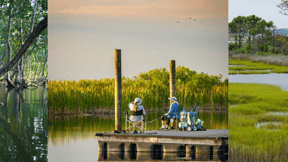
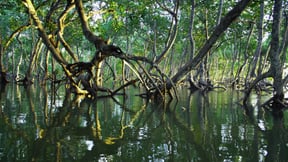
Converts larger swathes of land into long-term wetlands or grasslands
Permanent or 30-year easements
Working Land Programs
Implements conservation measures on land that is still in production; demand for these programs exceeds supply
Environmental Quality Incentives Programs (EQIP)
Financial cost-share and technical assistance to adopt conservation practices, often a fix-it program for erosion and other problems on working lands
5-year contracts
Conservation Stewardship Program (CSP)
Rewards farmers and ranchers for implementing and managing comprehensive conservation systems for the whole farm
5-year programs
Agricultural Management Assistance (AMA)
Helps farmers and ranchers in 16 states reduce financial risk through diversification, marketing, or adopting conservation practices
Partnership and Grant Programs
Regional Conservation Partnership Program (RCPP)
Universities, state agencies, and local groups partner together on a regional scale for target watersheds
Often have state or local match
Other
Conservation Innovation Grants, On-Farm Conservation Innovation Trials, Feral Swine Eradication and Control Pilot Program, Voluntary Public Access, Habitat Incentive Program
Planning and Assistance
Conservation Technical Assistance (CTA)
Conservation planning, education and outreach, and funds for NRCS staff and partners to career out conservation programs panning and education and outreach to farmers
Conservation loans
Conservation Loans
Low-interest loans through the U.S. Department of Agriculture (USDA) Farm Service Agency (FSA) or certain commercial lenders to help farmers and ranchers finance conservation projects
Conservation Compliance
Conservation program requirements that must be met to receive farm bill benefits
Swampbuster – farmers who accept farm bill benefits cannot drain or fill a wetland to farm
Sodbuster – farmers who accept benefits must have a soil conservation plan for their highly erodible soil
Sodsaver – farmers in six prairie pothole states get crop insurance subsidies reduced if they break up native prairie