Wildlife Trafficking
The demand for elephant ivory and rhino horn, as well as for other exotic species, has created a massive international, largely illegal market that has detrimental economic, social, and environmental effects.

Overview
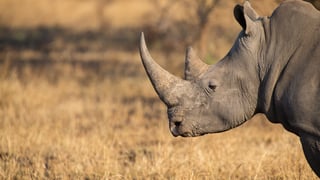
The demand for elephant ivory and rhino horn as well as for other exotic species, driven by China, Japan, the Philippines, the United States, and other countries, has created a massive international, largely illegal market that is having detrimental economic, social and environmental effects. Approximately 35,000 elephants are killed annually, close to 100 elephants every day. At this rate, elephants will be extinct in a few decades.
Poaching is now a sophisticated international crime racket and a national security threat. Wildlife trafficking, both legal and illegal, has recently gained more attention because of the spread of zoonotic diseases such as Covid-19 and Zika virus.


Key Facts
African forest elephants have declined by 86% in 31 years, and savannah elephants have declined by 60%.
Illegal wildlife trade is worth $7-23 billion per year and ranks only behind narcotics, counterfeiting, and human trafficking in international criminal activities.
The U.S. is the world’s largest importer of wildlife by far; many populations of species are harmed or endangered by wildlife trade.
Current Legislation
- No matches.
- No matches.
Filters: 0
| SB1063: Western Joshua Tree Conservation Act: life-sustaining services: take permit.View Source | California | CA Sen. Rosilicie Ochoa Bogh (R-CA-019) | Wildlife | Wildlife Trafficking | Introduced or Prefiled | |
| SB1212: Endangered wildlife: kangaroos.View Source | California | CA Sen. Brian Jones (R-CA-040) | Wildlife | Wildlife Trafficking | Introduced or Prefiled | |
| HB112: Mammalian wildlife; separation and hybridization prohibited, exceptions.View Source | Virginia | VA Del. Amy Laufer (D-VA-055) | Wildlife, Water, Land | Biodiversity, Wildlife Trafficking | Effective | |
| SB344: Mammalian wildlife; separation and hybridization prohibited, exceptions.View Source | Virginia | VA Sen. Jennifer Boysko (D-VA-038) | Wildlife, Water, Land | Biodiversity, Wildlife Trafficking | Effective | |
| S.9740: Requires fashion sellers to be accountable to standardized environmental and social due diligence policies, and establishes a fashion remediation fundView Source | New York | NY Sen. Brian Kavanagh (D-NY-027) | Wildlife | Wildlife Trafficking | Introduced or Prefiled | |
| S.B.2128: RELATING TO TRESPASS.View Source | Hawaii | HI Sen. Lynn DeCoite (D-HI-007) | Wildlife | Wildlife Trafficking | Passed Original Chamber | |
| H.B.0053: Criminal Law – Nondomesticated Animal Prohibitions – AlterationsView Source | Maryland | MD Del. Mary Lehman (D-MD-021) | Wildlife | Wildlife Trafficking | Passed Original Chamber | |
| HB1629: Exotic animals; enhance penalties for killing or capturing after unlawful entry into a commercial wildlife enclosure.View Source | Mississippi | MS Rep. Charles "Chuck" Blackwell (R-MS-088) | Wildlife | Wildlife Trafficking | Out of Committee | |
| SB1759: wildlife; unlawful taking; civil penaltyView Source | Arizona | AZ Sen. Priya Sundareshan (D-AZ-018) | Wildlife | Wildlife Trafficking | Introduced or Prefiled | |
| S.B.2996: RELATING TO ENVIRONMENTAL PROTECTION.View Source | Hawaii | HI Sen. Chris Lee (D-HI-025) | Wildlife | Wildlife Trafficking | Introduced or Prefiled | |
| H.B.1988: RELATING TO ENVIRONMENTAL PROTECTION.View Source | Hawaii | HI Rep. Nicole Lowen (D-HI-007) | Wildlife | Wildlife Trafficking | Introduced or Prefiled | |
| H3935: An Act relative to ivory and rhinoceros horn traffickingView Source | Massachusetts | MA Rep. Jay Livingstone (D-MA-Massachusetts House 8th Suffolk) | Wildlife | Wildlife Trafficking | Out of Committee | |
| H.4928: Study OrderView Source | Massachusetts | Wildlife | Wildlife Trafficking | Out of Committee | ||
| SB 988: Taking and Exporting Aquatic Animal SpeciesView Source | Florida | FL Sen. Ileana Garcia (R-FL-036) | Wildlife | Wildlife Trafficking | Introduced or Prefiled | |
| S.7203: Enacts the tropical rainforest economic & environmental sustainability act and establishes the supply chain transparency assistance programView Source | New York | NY Sen. Liz Krueger (D-NY-028) | Wildlife | Wildlife Trafficking | Passed Original Chamber | |
| A.8673: Enacts the tropical rainforest economic & environmental sustainability act and establishes the supply chain transparency assistance programView Source | New York | NY Assemb. Deborah Glick (D-NY-066) | Wildlife | Wildlife Trafficking | Introduced or Prefiled | |
| S.8693: Excludes certain amphibians and reptiles from the definition of small game; repealerView Source | New York | NY Sen. Julia Salazar (D-NY-018) | Wildlife | Wildlife Trafficking | Introduced or Prefiled | |
| HB0230: An act relating to the management of fish and wildlifeView Source | Vermont | VT Rep. Larry Satcowitz (D-VT-063) | Wildlife | Endangered Species, Wildlife Agency Relevance and Funding, Wildlife Trafficking | Passed Original Chamber | |
| S616: An Act relative to ivory and rhinoceros horn traffickingView Source | Massachusetts | MA Sen. Jason Lewis (D-MA-Massachusetts Senate Fifth Middlesex) | Wildlife | Endangered Species, Wildlife Trafficking | Out of Committee | |
| S.B.945: An Act amending Title 34 (Game) of the Pennsylvania Consolidated Statutes, in game or wildlife protection, prohibiting the purchase, sale, offer for sale or possession with intent to sell covered anim al parts or products; and imposing penalties.View Source | Pennsylvania | PA Sen. Lisa Boscola (D-PA-018) | Wildlife | Endangered Species, Wildlife Trafficking | Introduced or Prefiled | |
| H.B.994: An Act amending Title 34 (Game) of the Pennsylvania Consolidated Statutes, in game or wildlife protection, prohibiting the purchase, sale, offer for sale or possession with intent to sell covered anim al parts or products; and imposing penalties.View Source | Pennsylvania | PA Rep. Leanne Krueger (D-PA-161) | Wildlife | Wildlife Trafficking | Passed Original Chamber | |
| H.B.4100: Captive WildlifeView Source | South Carolina | SC Rep. William "Bill" Hixon (R-SC-083) | Wildlife | Wildlife Trafficking | Introduced or Prefiled | |
| H.B.859: RELATING TO AGRICULTURE.View Source | Hawaii | HI Rep. Matthias Kusch (D-HI-001) | Wildlife | Wildlife Trafficking | Out of Committee |
No matching bills.
Stay Updated on This Issue
Subscribe to stay updated on policy developments that deal with this issue, and/or others.
Related Resources

Wildlife Trafficking Briefing Book
Illegal ivory and rhino horn trafficking is an escalating global issue. Elephants and rhinos may soon be driven to extinction by poaching. The demand for elephant ivory and rhino horn, driven by China, Japan, the Philippines, the United States and other countries, has created a massive international market that has detrimental economic, social and environmental impacts in Africa. Poaching is now a sophisticated international crime racket and a national security threat with terrorist organizations using profits to finance attacks. The U.S. Fish and Wildlife Service recently instituted a near ban on ivory and rhino import and domestic interstate trade. But the states must regulate in-state sales. Many states have enacted or introduced a ban on ivory and rhino horn trades in their jurisdictions. This briefing book includes a fact sheet, an FAQ, and a matrix of bill provisions.
Elephant Ivory and Rhino Horn Bans Fact Sheet
Illegal ivory and rhino horn trafficking is an escalating global issue. Elephants and rhinos may soon be driven to extinction by poaching. The demand for elephant ivory and rhino horn, driven by China, Japan, the Philippines, the United States and other countries, has created a massive international market that has detrimental economic, social and environmental impacts in Africa. Poaching is now a sophisticated international crime racket and a national security threat with terrorist organizations using profits to finance attacks. The U.S. Fish and Wildlife Service recently instituted a near ban on ivory and rhino import and domestic interstate trade. But the states must regulate in-state sales. Many states have enacted or introduced a ban on ivory and rhino horn trades in their jurisdictions.
Wildlife Disease Fact Sheet
Wildlife, or “zoonotic” diseases, are caused by the transfer of pathogens between animals and humans. Over 75% of emerging diseases originate in wildlife. Their spread is exacerbated by deforestation, wildlife exploitation, development, and poor waste management, all of which increase wild animal-human proximity and the chance of wildlife disease spillover. The costs of wildlife diseases to public health are enormous, and tend to fall disproportionately on BIPOC communities, stemming from poor healthcare access and structural discrimination. If states do not take action, wildlife diseases will continue to spread, and future pandemics could be even harder to control. Experts identify the One Health approach – a recognition of the interconnections between the health of people, animals, and our shared environment – as one of the best ways to respond to the threat of zoonotic disease.
Online Resources
NEC's issue page on wildlife disease and accompanying policy options taken by states across the nation.
Establishes guiding principles and strategic priorities for U.S. efforts to stem illegal trade in wildlife.
Excerpt about Convention on International Trade in Endangered Species of Wild Fauna and Flora (CITES) website.
Saving Animals From Extinction focuses on wildlife conservation worldwide, and worked to pass Initiative 1401 in Washington State.


Wildlife Trafficking and Environmental Justice
The illegal trafficking of wildlife species – a practice that currently faces insufficient enforcement – creates economic and health risks for human communities across the globe.
Disease Transmission
Wildlife trafficking often results in non-native species with high disease risk being introduced into new environments. This puts local wildlife and humans at risk of infectious disease transmission. (worldwildlife.org)
Enforcement Injustice
Rural and Indigenous communities face higher wildlife crime rates and have fewer resources, as policing increasingly centers on urban areas. In the cases when robust wildlife trafficking enforcement is carried out, there tends to be disproportionate burdens on rural, especially Tribal, communities. (sciencedirect.com)
Economic Instability
The decline of wildlife species due to illegal trafficking not only poses a risk to biodiversity but also to the economic security of communities around the world that rely on wildlife tourism as a primary source of income. (rare.org)
News & Events
2026 Energy Affordability Leaders Summit
Join NEC in Philadelphia, Pennsylvania, from December 6-9 for a convening of energy affordability leaders.
2026 MRLC Forum Recap
State legislators from across seven states convened in Jackson, Mississippi, for the 2026 Mississippi River Legislative Caucus (MRLC) Forum, where they explored how to support one of the most economically and socially consequential waterways.

Legislators from 43 States and Territories Oppose USDA’s Effort to Rescind the “Roadless Rule”
A bipartisan group of 232 state legislators from 43 states and territories submitted a formal comment letter to the U.S. Department of Agriculture (USDA) opposing the proposed rescission of the Roadless Area Conservation Rule (the “Roadless Rule”).
Subscribe to the National Environmental Caucus Newsletter
Stay up to date on upcoming events, opportunities to expand your network, and the latest environmental policy trends from across the U.S.