30×30
The movement to conserve 30% of the world’s land and oceans by 2030 has gained international momentum. With federal recognition of the need to take action, there is an opportunity for state legislators to lead the movement.
Overview
The “biodiversity loss” narrative is not new. Studies have shown that lands and waters are being lost to development at alarming rates, increasing numbers of plants and wildlife are facing extinction, and climate change is threatening human health and wellbeing. To prevent future loss and to help increase outdoor access for historically underrepresented communities, many prominent scientists, including conservation biologist Edward O. Wilson, have called for the conservation of half of the world’s land and oceans for the long-term health of the planet. This has sparked a movement to conserve 30% of the world’s land and oceans by 2030 which has gained international momentum. Identical bills committing the United States to a 30×30 goal have been introduced into the U.S. House and Senate. With federal recognition of the need to take action, there is an opportunity for state legislators to lead the movement by protecting land locally and creating a strong partnership with the federal government.


Key Facts
The 2021 Conservation in the West Survey found 77% of voters in Western states favor a national 30×30 goal.
A 2020 report from the Campaign for Nature found the economic benefits of protecting 30% of the planet’s land and ocean outweigh the costs at least 5-to-1.
People of color and low-income communities are more likely than white people to live in an area that is nature deprived.
Current Legislation
Filters: 0
| AB946: Natural resources: equitable outdoor access: 30x30 goal: urban nature-based projects.View Source | California | CA Assemb. Isaac Bryan (D-CA-055) | Wildlife | 30x30, Wildlife Connectivity and Crossings | Terrestrial Connectivity, Habitat | Passed Original Chamber |
No matching bills.
Stay Updated on This Issue
Subscribe to stay updated on policy developments that deal with this issue, and/or others.
Related Resources

30×30 Fact Sheet
For state legislators, the goal of conserving 30% of land and water by 2030 offers the opportunity to protect critical wildlife habitat, increase outdoor access for underrepresented communities, boost local economies, and prevent continued ecosystem degradation and loss. Bookending the release of the DOI’s America the Beautiful Report, which outlines early recommendations for achieving 30x30, a number of state and local governments have introduced legislation in support of this goal. As federal momentum continues to build, states can play a key role in protecting lands and waters that support ecosystem, economic, and community health.
30×30 Policy Options
For state legislators, the goal of conserving 30% of land and water by 2030 offers the opportunity to protect critical wildlife habitat, increase outdoor access for underrepresented communities, boost local economies, and prevent continued ecosystem degradation and loss. There are many paths to 30%, as outlined below. As federal momentum continues to build, states can play a key role in protecting lands and waters that support ecosystem, economic, and community health.
Wildlife Corridors & Crossings Fact Sheet
Wildlife corridors and crossings are a vital and cost effective way to maintain resilient landscapes for fish and wildlife. Crossings can be in the form of highway overpasses, underpasses, or culverts, which provide safe crossings and genetic dispersal for plants and animals. Corridors are large areas of undeveloped habitat that connect critical core habitats, allowing for animal movement and healthy genetic dispersal. Many state legislatures and agencies have championed corridors and crossings, with a recent increase in activity following several new federal funding opportunities. These include the Infrastructure and Investment Jobs Act, which allocates billions of dollars for wildlife crossing infrastructure, and the America the Beautiful Challenge, a new 5-year $116 million competitive grant program which supports a range of conservation projects and includes habitat connectivity as a core tenet.
Online Resources
This blog explores states' progress in meeting 30x30 conservation goals.
Defenders of Wildlife put together this guide for decision-makers on how we can get to 30×30.
This statement by Tribal leaders outlines key priorities aimed at strengthening government to government collaboration and achieving 30x30 goals.


30x30 and Environmental Justice
In addition to conserving biodiversity and mitigating climate change impacts, 30x30 conservation goals can enhance the health and wellbeing of underserved human communities when approaches are taken that incorporate equity, inclusion, and uphold Tribal sovereignty.
Growing Rural Economies
Expanding protections for natural areas via 30x30 goals supports farm land sustainability and draws visitors to public lands, restoring and diversifying opportunities relevant to rural communities and their strong natural, cultural, and outdoor economic heritages. (roadto30.org)
Contributing to Outdoor Equity
30x30 goals prioritize access to green spaces in and near urban and underserved rural areas, providing health and opportunity benefits to overburdened communities, namely low-income communities, people of color, and Tribal citizens. (static1.squarespace.com)
Boosting Tribal Stewardship
As part of 30x30 goals, states and the federal government can recognize Tribal jurisdiction over unceded Tribal and ancestral Tribal lands, especially culturally and ecologically significant ecosystems. Restoring Tribal jurisdiction improves biodiversity and outdoor access for everyone. (e360.yale.edu)
What Members Say
“All states approach land and water conservation differently. Facilitating connections among policymakers, via Zoom and in person, NEC allows us to share and learn from one another while embracing our differences. It’s critical, as we set goals for conserving and restoring our lands and waters for future generations, that no matter the approach each state takes to achieving those goals, biodiversity remains the focus. Working together we can build state policies with integrity.”

Representative Amy Sheldon
Vermont
News & Events
2026 Energy Affordability Leaders Summit
Join NEC in Philadelphia, Pennsylvania, from December 6-9 for a convening of energy affordability leaders.
2026 MRLC Forum Recap
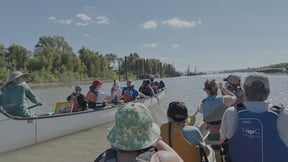
State legislators from across seven states convened in Jackson, Mississippi, for the 2026 Mississippi River Legislative Caucus (MRLC) Forum, where they explored how to support one of the most economically and socially consequential waterways.


Legislators from 43 States and Territories Oppose USDA’s Effort to Rescind the “Roadless Rule”
A bipartisan group of 232 state legislators from 43 states and territories submitted a formal comment letter to the U.S. Department of Agriculture (USDA) opposing the proposed rescission of the Roadless Area Conservation Rule (the “Roadless Rule”).
Subscribe to the National Environmental Caucus Newsletter
Stay up to date on upcoming events, opportunities to expand your network, and the latest environmental policy trends from across the U.S.