Wildlife Coexistence and Conflict Reduction
Land development and a changing environment bring humans and wildlife closer together. State lawmakers have unique opportunities to help communities and wildlife share landscapes in a way that harms neither and provides benefits to both.

Overview
As climate change and land development bring humans and wildlife into closer contact, finding ways to coexist and reduce conflict is more urgent than ever. Coexistence means helping people and wildlife share landscapes in a way that harms neither and provides benefits to both. Coexistence solutions include bear-wise trash storage, beaver pond levelers, wildlife-friendly fencing, and more. With much of wildlife policy decided by states, state lawmakers have unique opportunities to prevent needless conflict and help communities enjoy benefits of living alongside wildlife.


Key Facts
Carnivores help shape nearly every aspect of an ecosystem, from keeping prey populations balanced, to impacting plant growth and riparian river systems by dispersing herbivores and small carnivores, to reducing animal disease breakouts in ungulates and other animals.
64% of large terrestrial carnivores are threatened with extinction, and 80% have declining population trends. Large carnivores have lost 60% of their habitat in the last several centuries.
There is no scientific evidence that mass killing of predators serves to protect livestock.
Current Legislation
- No matches.
- No matches.
Filters: 0
| SB1135: California Wildlife Coexistence Act.View Source | California | CA Sen. Catherine Blakespear (D-CA-038) | Wildlife | Wildlife Coexistence | Passed Original Chamber | |
| H.B. 2576: Creates several new state designationsView Source | Missouri | MO Rep. John Black (R-MO-129) | Wildlife | Wildlife Coexistence | Enacted | |
| SB1305: Wildlife: bears.View Source | California | CA Sen. Laura Richardson (D-CA-035) | Wildlife, Water, Land | Biodiversity, Wildlife Coexistence | Passed Original Chamber | |
| SB1397: Mountain Lions: human-mountain lion conflicts program: scientific research.View Source | California | CA Sen. Marie Alvarado-Gil (R-CA-004) | Wildlife | Wildlife Coexistence | Passed Original Chamber | |
| SB2795: An Act Relating To Health And Safety -- Pesticide Control (Creates Rodent Integrated Pest Management Pilot Programs For Municipalities That Choose To Participate. Reports To Be Approved By The Municipality'S Mayor Or Administrator And Submitted To The Department Of Environmental Management.)View Source | Rhode Island | RI Sen. Louis "Lou" DiPalma (D-RI-012), RI Sen. Melissa Murray (D-RI-024), RI Sen. Jonathon "Jon" Acosta (D-RI-016), RI Sen. Alana DiMario (D-RI-036), RI Sen. Victoria Gu (D-RI-038), RI Sen. Pamela "Pam" Lauria (D-RI-032), RI Sen. Brian Thompson (D-RI-020), RI Sen. Lori Urso (D-RI-008) | Wildlife | Wildlife Coexistence | Enacted | |
| AB1673: County fish and wildlife propagation fund: wildlife coexistence: tear gas.View Source | California | CA Assemb. Heather Hadwick (R-CA-001) | Wildlife | Wildlife Agency Relevance and Funding, Wildlife Coexistence, Wildlife Connectivity and Crossings | Passed Original Chamber | |
| HB26-1342: Negligently Luring BearsView Source | Colorado | CO Rep. Katie Stewart (D-CO-059), CO Rep. Meghan Lukens (D-CO-026), CO Sen. Janice Marchman (D-CO-015) | Wildlife | Wildlife Coexistence | Effective | |
| H.B. 2987: Designates the black bear as the official state mammalView Source | Missouri | MO Rep. Michael Burton (D-MO-092) | Wildlife | Wildlife Coexistence | Introduced or Prefiled | |
| SB2597: Tennessee Fish & Wildlife Commission - As enacted, authorizes the executive director of the wildlife resources agency to enter into agreements with local law enforcement agencies for the purpose of enforcing wildlife management laws and rules; creates a criminal offense for feeding black bears under certain circumstances. - Amends TCA Title 70. SB2597 has been assigned <a href="https://publications.tnsosfiles.com/acts/114/pub/pc0738.pdf">Public Chapter Number 738</a> by the Secretary of State. Conference Committee ReportsView Source | Tennessee | TN Sen. Steve Southerland (R-TN-009) | Wildlife | Wildlife Coexistence | Effective | |
| HB4134: Increases the state transient lodging tax.View Source | Oregon | OR Sen. Chris Gorsek (D-OR-025), OR Sen. Floyd Prozanski (D-OR-004), OR Sen. Lew Frederick (D-OR-022), OR Rep. Ken Helm (D-OR-027), OR Sen. Janeen Sollman (D-OR-015), OR Sen. Jeff Golden (D-OR-003), OR Rep. Mark Owens (R-OR-060), OR Rep. Susan McLain (D-OR-029), OR Rep. Jules Walters (D-OR-037), OR Sen. Todd Nash (R-OR-029) | Wildlife | Wildlife Agency Relevance and Funding, Wildlife Coexistence, Wildlife Connectivity and Crossings | Effective | |
| HB5415: Crim Cd-Dangerous AnimalsView Source | Illinois | IL Rep. Eva-Dina Delgado (D-IL-003) | Wildlife | Wildlife Coexistence | Introduced or Prefiled | |
| HF4746: Open season for taking wolves prohibited, and criminal penalties increased.View Source | Minnesota | MN Rep. Peter Fischer (D-MN-044A) | Wildlife | Wildlife Coexistence | Introduced or Prefiled | |
| HB2215: Tennessee Fish & Wildlife Commission - As enacted, authorizes the executive director of the wildlife resources agency to enter into agreements with local law enforcement agencies for the purpose of enforcing wildlife management laws and rules; creates a criminal offense for feeding black bears under certain circumstances. - Amends TCA Title 70. Companion bill has been assigned <a href="https://publications.tnsosfiles.com/acts/114/pub/pc0738.pdf">Public Chapter Number 738</a> by the Secretary of State. Conference Committee ReportsView Source | Tennessee | TN Rep. Fred Atchley (R-TN-012) | Wildlife | Wildlife Coexistence | Out of Committee | |
| SB26-062: Rodenticide Use RestrictionsView Source | Colorado | CO Rep. Elizabeth Velasco (D-CO-057), CO Sen. Lisa Cutter (D-CO-020), CO Sen. Cathy Kipp (D-CO-014) | Wildlife | Wildlife Coexistence | Passed Original Chamber | |
| H.B. 3366: Designates April 22 each year as "Missouri Black Bear Awareness Day"View Source | Missouri | MO Rep. Michael Burton (D-MO-092) | Wildlife | Wildlife Coexistence | Introduced or Prefiled | |
| HB1396: Dogs; hunting game animals, fur-bearing animals, and nuisance species, permits, civil penalties.View Source | Virginia | VA Del. Fernando "Marty" Martinez (D-VA-029) | Wildlife | Wildlife Coexistence | Passed Original Chamber | |
| HB364: Intensive Management: Big GameView Source | Alaska | AK Rep. Andy Josephson (D-AK-013) | Wildlife | Wildlife Agency Relevance and Funding, Wildlife Coexistence | Introduced or Prefiled | |
| HB476: Conservation; right to care for injured wildlife under certain conditions establishedView Source | Alabama | AL Rep. Benjamin "Ben" Harrison (R-AL-002) | Wildlife | Wildlife Coexistence | Introduced or Prefiled | |
| HB1530: requiring notification of abutters and public review prior to disturbing beaver dams in non-emergency situations.View Source | New Hampshire | NH Rep. Eleana Colby (D-NH-New Hampshire House Merrimack 09) | Wildlife | Wildlife Coexistence | Out of Committee | |
| SB148: terminate bounty payments for the control of nest predation.View Source | South Dakota | SD Rep. Spencer Gosch (R-SD-023), SD Sen. Tim Reed (R-SD-007) | Wildlife | Wildlife Agency Relevance and Funding, Wildlife Coexistence | Introduced or Prefiled | |
| HF2099: A bill for an act relating to the taking of black bears, and making penalties applicable.View Source | Iowa | IA Rep. Brian Lohse (R-IA-045), IA Rep. David "Dave" Jacoby (D-IA-086) | Wildlife | Wildlife Coexistence | Out of Committee | |
| SB3063: Wildlife Cd-Killing ContestsView Source | Illinois | IL Sen. Linda Holmes (D-IL-042) | Wildlife | Wildlife Coexistence | Introduced or Prefiled | |
| HB 2516: Placing a moratorium on the use of certain rodenticides.View Source | Washington | WA Rep. Lisa Parshley (D-WA-022) | Toxic Chemicals, Wildlife | Pesticides, Wildlife Coexistence | Introduced or Prefiled | |
| HB0758: An act relating to banning the use of rodenticidesView Source | Vermont | VT Rep. Larry Satcowitz (D-VT-063) | Toxic Chemicals, Wildlife | Pesticides, Wildlife Coexistence | Introduced or Prefiled | |
| S.2745: Revises law prohibiting feeding of bears; establishes program in DEP for distribution of bear-proof garbage cans.View Source | New Jersey | NJ Sen. Gordon Johnson (D-NJ-037), NJ Sen. Andrew Zwicker (D-NJ-016) | Wildlife | Wildlife Coexistence | Introduced or Prefiled | |
| AB781: Relating to: wolf monitoring and nonlethal abatement and making an appropriation. (FE)View Source | Wisconsin | WI Rep. Christine Sinicki (D-WI-020), WI Rep. Deb Andraca (D-WI-023), WI Rep. Ann Roe (D-WI-044), WI Rep. Alex Joers (D-WI-081), WI Rep. Angelito Tenorio (D-WI-014), WI Rep. Brienne Brown (D-WI-043), WI Rep. Priscilla Prado (D-WI-009), WI Rep. Angela Stroud (D-WI-073), WI Rep. Ben DeSmidt (D-WI-065), WI Rep. Vincent "Vinnie" Miresse (D-WI-071), WI Rep. Lori Palmeri (D-WI-054), WI Rep. Margaret Arney (D-WI-018) | Wildlife | Wildlife Coexistence | Introduced or Prefiled | |
| SB774: Relating to: wolf monitoring and nonlethal abatement and making an appropriation. (FE)View Source | Wisconsin | WI Sen. Tim Carpenter (D-WI-003), WI Sen. LaTonya Johnson (D-WI-006), WI Sen. Melissa Ratcliff (D-WI-016), WI Sen. Dianne Hesselbein (D-WI-027), WI Sen. Jodi Sinykin (D-WI-008) | Wildlife | Wildlife Coexistence | Introduced or Prefiled | |
| S1234: An Act prohibiting the harassment of animalsView Source | Massachusetts | MA Sen. Jacob "Jake" Oliveira (D-MA-Massachusetts Senate Hampden, Hampshire and Worcester) | Wildlife | Wildlife Coexistence | Introduced or Prefiled | |
| H4422: An Act prohibiting the aquaculture of any species of octopus for the purpose of human consumptionView Source | Massachusetts | Wildlife, Oceans | Fisheries and Aquaculture, Wildlife Coexistence | Aquaculture | Out of Committee |
No matching bills.
Stay Updated on This Issue
Subscribe to stay updated on policy developments that deal with this issue, and/or others.
Related Resources
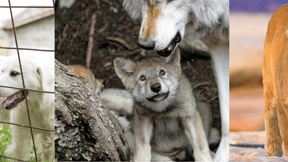
Carnivores & Coexistence Briefing Book
Carnivores play a critical role in maintaining ecosystem health and biodiversity, as well as protecting ecosystems against climate change. However, carnivores in North America - such as mountain lions, wolves, bobcats, and coyotes - have been targeted since settlement by Europeans, and many species were hunted for bounties until the 1970s. In fact, bounties are still paid in a few states. With recent recognition of their benefits, movements to conserve or even reintroduce carnivores are gaining support. Despite this progress, some states still allow activities that target carnivores, such as wildlife killing contests, unregulated hunting, and trapping. This briefing book provides an overview of the importance of carnivores, the threats they face, and policy options for ensuring their long-term viability.

Carnivore Protections Policy Options
As the benefits of carnivores to ecosystem health are becoming recognized by scientists, the methods of killing carnivores are coming under scrutiny. Awareness of wildlife killing contests in particular has reached the public consciousness and energized citizens and governments to act. New Mexico and Vermont passed bills (in 2019 and 2018, respectively) banning coyote killing contests. California enacted a similar ban on contests for furbearing and nongame animals via agency regulation in 2014; Arizona did so in 2019. In 2019 seven states introduced legislation to ban various contests. Some legislative options are found below.
Wildlife Killing Contests Fact Sheet
Thousands of animals die every year in wildlife killing contests, events where participants compete to kill the greatest number, the largest, the youngest, or the most females of a targeted species for prizes and entertainment. These contests are not monitored by state wildlife agencies and often take place on public land. Wildlife killing contests are legal in all but eight states including Arizona, California, Colorado, Maryland, Massachusetts, New Mexico, Vermont, and Washington (with a possible ninth state, New York, if the governor signs legislation). In 2023, Illinois, Nevada, New Jersey, and Virginia introduced bills to ban these contests.
Online Resources
Statement signed by over 70 conservation scientists condemning coyote killing contests.
Example of a community coexisting with coyotes and living with coyotes flyer


Carnivores and Environmental Justice
Carnivore species are often referenced in terms of conflict with humans, but coexistence with these species is crucial for both the health of natural environments and human communities.
Local Significance and Knowledge
Carnivore species hold significant places in many Indigenous and folk cultures throughout the globe. Incorporating Indigenous knowledge into conservation efforts can improve biodiversity and human-carnivore coexistence. (ncbi.nlm.nih.gov)
Ecosystem Services
In cases when carnivore populations are depleted by human activity, animals lower on the food chain start to proliferate. This often leads to negative environmental impacts, such as deforestation and disease transmission, which degrades the well-being of humans working in agriculture and other outdoor industries. (smithsonianmag.com)
News & Events
2026 Energy Affordability Leaders Summit
Join NEC in Philadelphia, Pennsylvania, from December 6-9 for a convening of energy affordability leaders.
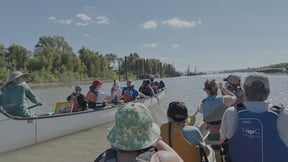
2026 MRLC Forum Recap
State legislators from across seven states convened in Jackson, Mississippi, for the 2026 Mississippi River Legislative Caucus (MRLC) Forum, where they explored how to support one of the most economically and socially consequential waterways.

Legislators from 43 States and Territories Oppose USDA’s Effort to Rescind the “Roadless Rule”
A bipartisan group of 232 state legislators from 43 states and territories submitted a formal comment letter to the U.S. Department of Agriculture (USDA) opposing the proposed rescission of the Roadless Area Conservation Rule (the “Roadless Rule”).
Subscribe to the National Environmental Caucus Newsletter
Stay up to date on upcoming events, opportunities to expand your network, and the latest environmental policy trends from across the U.S.