Ocean Acidification
The ocean is becoming more acidic due to increased levels of carbon dioxide in the atmosphere — threatening ocean ecosystems, the food chain, and the livelihood of coastal residents. Investing in long-term research can help determine specific impacts and lead to effective management strategies.

Overview
Ocean acidification (OA) is the name for the process of the oceans becoming more acidic due to increased levels of carbon dioxide in the atmosphere. This change threatens ocean ecosystems, the food chain, and the livelihood of coastal residents.
The acidic conditions created by CO2 emissions are harming fisheries, aquaculture farms, coastal recreation and diversity in the ocean. Animals like oysters and clams use a substance called calcium carbonate to build their shells. Acidic water erodes that calcium carbonate and makes the organisms fragile, much like osteoporosis in a human. Investing in long-term research will help determine specific impacts of OA and will lead to the development of effective management and mitigation tactics to preserve our economies and ecosystems.


Key Facts
The oceans are acidifying at a rate 100 times faster than any time in the last 200,000 years, and perhaps all of Earth’s history.
The ocean absorbs 25-30% of carbon dioxide emissions from the atmosphere, roughly 22 million tons per day.
The $1 billion US Shellfish industry is vulnerable to acidification, including Alaska fisheries that represent nearly 60% of US commercial catch and 100,000 jobs.
Current Legislation
- No matches.
- No matches.
Filters: 0
| S.1833A: Enacts the "harmful algal bloom monitoring and prevention act"View Source | New York | NY Sen. Rachel May (D-NY-048) | Wildlife, Oceans, Land | Biodiversity, Ocean Acidification | Ocean Biodiversity Protection | Passed Original Chamber |
| H5215: An Act establishing the Blue Communities ProgramView Source | Massachusetts | Oceans, Water | Nutrient Pollution, Ocean Acidification , Sustainable Agriculture & Water | Ocean Acidification | Out of Committee | |
| HB 2289: Making 2025-2027 fiscal biennium supplemental operating appropriations.View Source | Washington | WA Rep. Timm Ormsby (D-WA-003) | Climate, Oceans | Just Transition, Ocean Acidification | Low-income Access, Ocean Acidification | Out of Committee |
| H.B.2245: RELATING TO THE ENVIRONMENT.View Source | Hawaii | HI Rep. Nicole Lowen (D-HI-007) | Oceans | Ocean Acidification | Ocean Acidification | Out of Committee |
| S.B.2753: RELATING TO THE ENVIRONMENT.View Source | Hawaii | HI Sen. Dru Kanuha (D-HI-003) | Oceans | Ocean Acidification | Ocean Acidification | Introduced or Prefiled |
| HB 2170: Expanding revenue generation and economic opportunities from natural climate solutions and ecosystem services.View Source | Washington | WA Rep. Kristine Reeves (D-WA-030) | Oceans | Nature Based Solutions, Ocean Acidification | Eelgass, Seagrass, Blue Carbon, Ocean Acidification | Introduced or Prefiled |
| S.B.471: RELATING TO THE ENVIRONMENT.View Source | Hawaii | HI Sen. Ronald "Ron" Kouchi (D-HI-008) | Oceans | Ocean Acidification | Ocean Acidification | Introduced or Prefiled |
| S.84: "Barnegat Bay Protection Act"; establishes Barnegat Bay Protection Fund, dedicates portion of sales tax on fertilizer, authorizes special license plates, and provides for donations.View Source | New Jersey | NJ Sen. James "Jim" Holzapfel (R-NJ-010) | Oceans | Ocean Acidification | Ocean Acidification | Introduced or Prefiled |
| A.696: "Barnegat Bay Protection Act"; establishes Barnegat Bay Protection Fund, dedicates portion of sales tax on fertilizer, authorizes special license plates, and provides for donations.View Source | New Jersey | NJ Assemb. Maureen Rowan (D-NJ-002), NJ Assemb. Paul Kanitra (R-NJ-010), NJ Assemb. Gregory McGuckin (R-NJ-010) | Oceans | Blue Economy, Ocean Acidification | Blue Economy, Ocean Acidification | Introduced or Prefiled |
| SB 5999: Expanding revenue generation and economic opportunities from natural climate solutions and ecosystem services.View Source | Washington | WA Sen. Liz Lovelett (D-WA-040) | Oceans | Blue Economy, Nature Based Solutions, Ocean Acidification | Eelgass, Seagrass, Blue Economy, Blue Carbon, Ocean Acidification | Introduced or Prefiled |
| S566: An Act to overcome coastal and environmental acidification and nutrient pollutionView Source | Massachusetts | MA Sen. Julian Cyr (D-MA-Massachusetts Senate Cape and Islands) | Oceans, Water | Nutrient Pollution, Ocean Acidification , Sustainable Agriculture & Water | Ocean Acidification | Out of Committee |
| S599: An Act to overcome coastal and environmental acidification and nutrient pollutionView Source | Massachusetts | MA Sen. Dylan Fernandes (D-MA-Massachusetts Senate Plymouth and Barnstable) | Climate, Oceans, Water | Coastal Resilience, Nutrient Pollution, Ocean Acidification , Sustainable Agriculture & Water | Ocean Acidification, Coastal Resilience | Introduced or Prefiled |
| S600: An Act establishing the Blue Communities ProgramView Source | Massachusetts | MA Sen. Dylan Fernandes (D-MA-Massachusetts Senate Plymouth and Barnstable) | Oceans, Water | Nutrient Pollution, Ocean Acidification , Sustainable Agriculture & Water | Ocean Acidification | Introduced or Prefiled |
| H931: An Act establishing the Blue Communities ProgramView Source | Massachusetts | MA Rep. Mindy Domb (D-MA-Massachusetts House 3rd Hampshire), MA Rep. Thomas Moakley (D-MA-Massachusetts House Barnstable, Dukes and Nantucket) | Oceans, Water | Nutrient Pollution, Ocean Acidification , Sustainable Agriculture & Water | Ocean Acidification | Introduced or Prefiled |
| SB195: Slow Onset DisastersView Source | Alaska | Oceans, Water, Land | Coastal Resilience, Flood Resilience, Ocean Acidification , Sustainable Agriculture & Water | Ocean Acidification, Coastal Resilience | Introduced or Prefiled | |
| AB1086: Marine Carbon Initiative.View Source | California | CA Assemb. Al Muratsuchi (D-CA-066) | Oceans | Ocean Acidification | Ocean Acidification | Introduced or Prefiled |
No matching bills.
Stay Updated on This Issue
Subscribe to stay updated on policy developments that deal with this issue, and/or others.
Related Resources

Healthy Ocean and Coasts Briefing Book
The ocean is often referred to as the heart of the planet — from generating over half the air we breathe to absorbing excess carbon in the atmosphere, serving as home to millions of species, and providing important resources to coastal and inland communities. But, when precious ocean resources and the surrounding environment are not sustainably managed or decisions are made without intentional input from coastal communities, frontline communities, and Indigenous Communities, negative impacts like ocean acidification, decreased marine biodiversity, coastal erosion, environmental injustices, and sea-level rise can emerge. This briefing book is intended to provide an overview of some of these major ocean topics that state legislators across the country are contending with, using existing policies to illustrate how introducing legislation to remedy one ocean issue can have significant co-benefits across coastal ecosystems.

Ocean Acidification Fact Sheet
Ocean acidification (OA) is the name for the process of the oceans becoming more acidic due to increased levels of carbon dioxide in the atmosphere. This change threatens ocean ecosystems, the food chain and the livelihood of coastal residents. As the ocean absorbs carbon dioxide, it reacts with water molecules to form carbonic acid, thereby increasing the overall acidity. This puts commercially and culturally important species such as lobsters, clams and oysters at risk. More information is needed about the extent of these changes in specific regions and how to best mitigate those effects.
Online Resources
TOF has compiled an extensive list of resources to learn more about ocean acidification.
This website highlights research and provides graphs and charts to demonstrate the impacts of OA.
Fact sheet detailing the ocean chemistry behind ocean acidification, and what the main concerns are from this chemical change.
This includes the development of six interactive StoryMaps showcasing relevant ocean acidification trends, science activities, stakeholder engagements and policy responses taking place across regions where NOAA supports U.S. Coastal Acidification Networks.
Ocean Acidification and Environmental Justice
Ocean acidification is a direct result of human-induced carbon emissions and has an adverse impact on coastal communities.
Ecosystem Services
Ocean acidification impacts ecosystem services that humans depend on, including storm protection, food security, and cultural practices. (static1.squarespace.com)
News & Events
2026 Energy Affordability Leaders Summit
Join NEC in Philadelphia, Pennsylvania, from December 6-9 for a convening of energy affordability leaders.
2026 MRLC Forum Recap
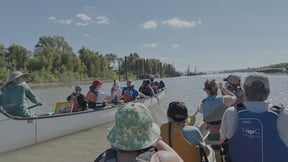
State legislators from across seven states convened in Jackson, Mississippi, for the 2026 Mississippi River Legislative Caucus (MRLC) Forum, where they explored how to support one of the most economically and socially consequential waterways.


Legislators from 43 States and Territories Oppose USDA’s Effort to Rescind the “Roadless Rule”
A bipartisan group of 232 state legislators from 43 states and territories submitted a formal comment letter to the U.S. Department of Agriculture (USDA) opposing the proposed rescission of the Roadless Area Conservation Rule (the “Roadless Rule”).
Subscribe to the National Environmental Caucus Newsletter
Stay up to date on upcoming events, opportunities to expand your network, and the latest environmental policy trends from across the U.S.