Endangered Species
Many threatened and endangered species provide key ecosystem services to humans; their decline harms us as well. States have been stepping up to protect wildlife within their borders by establishing and strengthening state endangered species acts (SESAs).

Overview
An endangered species is a plant or animal determined by a state or by the U.S. Fish and Wildlife Service to be in imminent danger of extinction. The largest drivers of this threat include: habitat loss, the introduction of non-native/invasive species, overexploitation, and climate change. Many threatened and endangered species provide key ecosystem services to humans; their decline harms us as well. Citizens are increasingly alarmed by the rapid decline in native species, and states are starting to step up to protect their own wildlife.
Since 1964, the International Union for Conservation of Nature (IUCN) has managed the Red List of Threatened Species. Many agencies use this list to monitor the changing ecological and human-driven pressures that impact species globally and can affect human livelihoods. IUCN’s Red List is used to update species listed in international agreements like the Convention on International Trade of Endangered Species, or CITES, a treaty that regulates trade of endangered wildlife. The CITES treaty is recognized and implemented by the 1973 Endangered Species Act. Species designated as endangered are given special federal protection under the Act. State endangered species acts, or SESAs, can provide protection to at-risk species within their borders.


Key Facts
According to the U.N. Convention on Biological Diversity, up to 150 species are lost to extinction every day – almost 10% every decade.
1,000,000 species are threatened with extinction. 41% of amphibians, 34% of conifers, 33% of reef-building corals, 26% of mammals, and 14% of birds
Invasive species introduced through wildlife trading can pose an additional threat to native endangered species, with Indo-Pacific Lionfish as a prominent example.
Current Legislation
- No matches.
- No matches.
Filters: 0
| A.8515A: Enacts the whale awareness actView Source | New York | NY Assemb. Rebecca Kassay (D-NY-004) | Wildlife | Endangered Species | Ocean Endangered Species | Enacted |
| H.B.1802: RELATING TO CONSERVATION MITIGATION BANKS.View Source | Hawaii | HI Rep. Lisa Marten (D-HI-051) | Wildlife | Endangered Species | Effective | |
| H.R.66: A Resolution directing the Legislative Budget and Finance Committee, in consultation with taxonomists, biologists and other interested persons, to conduct a study and issue a report on wild native ter restrial invertebrate management.View Source | Pennsylvania | PA Rep. Chris Pielli (D-PA-156) | Land, Water, Wildlife | Biodiversity, Endangered Species | Enacted | |
| H.B.0578: Fish and Wildlife - Endangered and Threatened Species and Migratory Birds - Regulations, Lists, Petitions, Essential Habitats, and TakingsView Source | Maryland | MD Del. Julie Palakovich Carr (D-MD-017) | Wildlife, Land | Biodiversity, Endangered Species | Ocean Biodiversity Protection | Enacted |
| S.B.0431: Fish and Wildlife - Endangered and Threatened Species and Migratory Birds - Regulations, Lists, Petitions, Essential Habitats, and TakingsView Source | Maryland | MD Sen. Benjamin "Ben" Brooks (D-MD-010) | Wildlife | Endangered Species | Enacted | |
| L.D. 2118 (H.P. 1433): An Act to Eliminate the Natural Areas Program and Reassign Certain Responsibilities Under the Program to the Department of Inland Fisheries and Wildlife and to Amend the Law Governing Administration of the Department of Inland Fisheries and Wildlife, Bureau of Resource ManagementView Source | Maine | ME Rep. James "Jim" Dill (D-ME-026) | Wildlife | Endangered Species, Wildlife Agency Relevance and Funding | Enacted | |
| SR94: Support use of voluntary conservation easements as a tool to provide wildlife habitats.View Source | Mississippi | MS Sen. Kevin Blackwell (R-MS-019) | Wildlife | Endangered Species | Introduced or Prefiled | |
| HB846: Virginia Land Conservation Foundation; purposes of Foundation, easements.View Source | Virginia | VA Del. Hillary Kent (R-VA-067) | Wildlife | Endangered Species | Effective | |
| HB5330: An Act Concerning Certain Wildlife Action Plans.View Source | Connecticut | Wildlife | Endangered Species, Wildlife Agency Relevance and Funding | Out of Committee | ||
| S.B.2944: RELATING TO CONSERVATION.View Source | Hawaii | HI Sen. Angus "Mac" McKelvey (D-HI-006) | Wildlife | Endangered Species | Ocean Endangered Species | Passed Original Chamber |
| S.B.3014: RELATING TO WILDLIFE.View Source | Hawaii | HI Sen. Chris Lee (D-HI-025) | Wildlife | Endangered Species | Ocean Endangered Species | Passed Original Chamber |
| S.B.2005: RELATING TO CONSERVATION BANKING.View Source | Hawaii | HI Sen. Lorraine Inouye (D-HI-001) | Wildlife | Endangered Species | Passed Original Chamber | |
| H.C.R.208: URGING THE DEPARTMENT OF LAND AND NATURAL RESOURCES TO ASSESS THE IMPACT OF JUG LINE FISHING AND TO ADOPT RULES PURSUANT TO CHAPTER 91, HAWAII REVISED STATUTES, NECESSARY TO ADDRESS ANY CONCERNS RAISED BY THE ASSESSMENT.View Source | Hawaii | HI Rep. Linda Ichiyama (D-HI-031) | Wildlife, Zero-Waste | Endangered Species, Plastic Pollution | Marine Debris, Ocean Endangered Species | Introduced or Prefiled |
| H.R.198: URGING THE DEPARTMENT OF LAND AND NATURAL RESOURCES TO ASSESS THE IMPACT OF JUG LINE FISHING AND TO ADOPT RULES PURSUANT TO CHAPTER 91, HAWAII REVISED STATUTES, NECESSARY TO ADDRESS ANY CONCERNS RAISED BY THE ASSESSMENT.View Source | Hawaii | HI Rep. Linda Ichiyama (D-HI-031) | Wildlife, Zero-Waste | Endangered Species, Plastic Pollution | Marine Debris, Ocean Endangered Species | Introduced or Prefiled |
| S.B.3002: RELATING TO THE HAWAII STATE PLANNING ACT.View Source | Hawaii | HI Sen. Chris Lee (D-HI-025) | Wildlife | Endangered Species | Passed Original Chamber | |
| S.B.2987: RELATING TO LIGHT POLLUTION.View Source | Hawaii | HI Sen. Chris Lee (D-HI-025) | Wildlife | Endangered Species | Ocean Endangered Species | Passed Original Chamber |
| S.2292B: Enacts the whale awareness actView Source | New York | NY Sen. Pete Harckham (D-NY-040) | Oceans, Wildlife | Endangered Species | Ocean Endangered Species | Passed Original Chamber |
| SB198: Las Vegas Endangered Species HatcheryView Source | New Mexico | NM Sen. Pete Campos (D-NM-008) | Wildlife | Endangered Species | Out of Committee | |
| S.B.3147: RELATING TO CONSERVATION BANKS.View Source | Hawaii | HI Sen. Ronald "Ron" Kouchi (D-HI-008) | Wildlife | Endangered Species | Introduced or Prefiled | |
| H.B.2327: RELATING TO CONSERVATION BANKS.View Source | Hawaii | HI Speaker Nadine Nakamura (D-HI-015) | Wildlife | Endangered Species | Introduced or Prefiled | |
| S.B.2988: RELATING TO HABITAT CONSERVATION PLANS.View Source | Hawaii | HI Sen. Chris Lee (D-HI-025) | Wildlife | Endangered Species | Introduced or Prefiled | |
| H.B.2204: RELATING TO CONSERVATION BANKING.View Source | Hawaii | HI Rep. Mark Hashem (D-HI-019) | Wildlife | Endangered Species | Introduced or Prefiled | |
| HB 1171: Endangered or Threatened Marine AnimalsView Source | Florida | FL Rep. Lindsay Cross (D-FL-060) | Wildlife | Endangered Species | Ocean Endangered Species | Introduced or Prefiled |
| HB0230: An act relating to the management of fish and wildlifeView Source | Vermont | VT Rep. Larry Satcowitz (D-VT-063) | Wildlife | Endangered Species, Wildlife Agency Relevance and Funding, Wildlife Trafficking | Passed Original Chamber | |
| S616: An Act relative to ivory and rhinoceros horn traffickingView Source | Massachusetts | MA Sen. Jason Lewis (D-MA-Massachusetts Senate Fifth Middlesex) | Wildlife | Endangered Species, Wildlife Trafficking | Out of Committee | |
| H1059: An Act relative to fisheries conservation gear grant programView Source | Massachusetts | MA Rep. Jeffrey Turco (D-MA-Massachusetts House 19th Suffolk) | Wildlife, Oceans | Endangered Species, Fisheries and Aquaculture, Offshore Wind, Wildlife Agency Relevance and Funding | Ocean Endangered Species | Out of Committee |
| S.B.239: Appropriating Funds to the Fish and Game Department for Continuing Environmental Review and to Cover a Deficit for Previously Instituted Salary Increases.View Source | New Hampshire | NH Sen. David Watters (D-NH-004) | Wildlife | Endangered Species | Passed Original Chamber | |
| S.B.945: An Act amending Title 34 (Game) of the Pennsylvania Consolidated Statutes, in game or wildlife protection, prohibiting the purchase, sale, offer for sale or possession with intent to sell covered anim al parts or products; and imposing penalties.View Source | Pennsylvania | PA Sen. Lisa Boscola (D-PA-018) | Wildlife | Endangered Species, Wildlife Trafficking | Introduced or Prefiled |
No matching bills.
Stay Updated on This Issue
Subscribe to stay updated on policy developments that deal with this issue, and/or others.
Related Resources

A Natural Legacy for the Future: State Laws for Endangered and Threatened Species
With one-third of our nation’s wildlife at risk of extinction, and the impacts of climate change accelerating, the time is now to find new and better ways to protect our natural heritage. Innovations must be found, not only for the wildlife and the habitats upon which they depend, but also for the current and future human generations who are inextricably linked to the natural world. State endangered species laws are one tool that can be used to this end. The goal of this report is to highlight what is and isn’t working across states and to spotlight innovative case studies of species recovery. Actions taken before a species becomes endangered can also save the lives of individual species, in addition to saving considerable money, time, and effort.

Lessons Learned in Crafting Endangered Species Policy
With one-third of our nation’s wildlife at risk of extinction, and nearly every American county containing threatened or endangered species of plants or animals, state legislators have been looking at ways to protect these species and stem the tide of extinctions. This report contains the lessons learned by state legislators across the country who have worked tirelessly to craft and pass legislation to help secure our country’s invaluable wildlife…
Recovering America’s Wildlife Act Fact Sheet
The world is losing countless species every day. Three billion birds alone have disappeared from North America since just 1970. State wildlife agencies are doing their best to combat this crisis, but they are significantly constrained by a lack of funds. Often, only a select number of species of greatest conservation need can be prioritized and conserved by state agencies. The protection of numerous species must be sacrificed, which leaves them at risk of extinction in our lifetimes. Preventative funding can blunt the daunting challenge of the work to recover endangered and threatened species, as well as species of greatest conservation need. The Recovering America’s Wildlife Act, or RAWA, would provide states with crucial funding to support the protection and recovery of our biodiversity.
Invasive Species Fact Sheet
Invasive species (IS) are any type of living organism that are not native to an ecosystem and cause harm. IS are found in all 50 states, and are characterized by their tendency to outcompete native species due to rapid reproduction rates and their ability to withstand threats that native species cannot. Invasive species can occur on land (terrestrial) or in water (aquatic). Some common examples of IS are: lionfish (aquatic), Russian olive tree (terrestrial), zebra mussels (aquatic), and Burmese pythons (terrestrial). With over 50,000 non-native species and growing in the United States, the threats to the environment and the economy are spreading fast.
Wildlife Trafficking Briefing Book
Illegal ivory and rhino horn trafficking is an escalating global issue. Elephants and rhinos may soon be driven to extinction by poaching. The demand for elephant ivory and rhino horn, driven by China, Japan, the Philippines, the United States and other countries, has created a massive international market that has detrimental economic, social and environmental impacts in Africa. Poaching is now a sophisticated international crime racket and a national security threat with terrorist organizations using profits to finance attacks. The U.S. Fish and Wildlife Service recently instituted a near ban on ivory and rhino import and domestic interstate trade. But the states must regulate in-state sales. Many states have enacted or introduced a ban on ivory and rhino horn trades in their jurisdictions. This briefing book includes a fact sheet, an FAQ, and a matrix of bill provisions.
Elephant Ivory and Rhino Horn Bans Fact Sheet
Illegal ivory and rhino horn trafficking is an escalating global issue. Elephants and rhinos may soon be driven to extinction by poaching. The demand for elephant ivory and rhino horn, driven by China, Japan, the Philippines, the United States and other countries, has created a massive international market that has detrimental economic, social and environmental impacts in Africa. Poaching is now a sophisticated international crime racket and a national security threat with terrorist organizations using profits to finance attacks. The U.S. Fish and Wildlife Service recently instituted a near ban on ivory and rhino import and domestic interstate trade. But the states must regulate in-state sales. Many states have enacted or introduced a ban on ivory and rhino horn trades in their jurisdictions.
Landowner Incentives for Endangered Species Conservation and Recovery Issue Brief
Over 60% of land in the United States is in private ownership. These lands support over two-thirds of the species listed under the Endangered Species Act, with 10% of listed species occurring only on private lands. Many landowners feel proud to have endangered species on their land, and are eager to steward and recover listed species and help prevent future listings. Options for supporting private landowners to engage in endangered species stewardship include management agreements, financial payments, and tax incentives.
Online Resources
This map shows how many endangered species are located in a single state (and how many are only located in that state).
This interactive state-by-state map highlights species success stories and current conservation efforts.
This report effectively summarizes state efforts to protect biodiversity within their borders.
These 25 states have more endangered species than anywhere else in the US.


Endangered Species and Environmental Justice
The steady decline in wildlife populations poses a grave threat not only to natural ecosystems, but also the economies, cultures, and wellbeing of human communities.
Cultural Significance
European colonization has led to many instances of native and culturally significant species becoming endangered. For example, due to their long history of cultural significance for many North American Tribes, bison were intentionally hunted to the brink of extinction by European settlers. (blog.nativehope.org)
18% Decline in Economic Output
The continued loss of species is projected to decrease global economic output 18% by 2050. These losses have created some of the most notable impacts on local economies that, for example, depend on bee populations to pollinate crops or fisheries to sustain the livelihoods of local fishing industries. (news.climate.columbia.edu)
Burden on Tribal Nations and Failure to Consult
Tribal Nations govern and manage over 56 million acres of land in the United States, home to thousands of endangered species. Tribes often offer sanctuary when states do not protect endangered species, yet have limited resources to enforce the Endangered Species Act within Tribal Lands. (hcn.org)
What Members Say
“NEC has been an invaluable resource. They have been available to personally answer my questions, provide guidance about the issue, and most of all, recently wrote a report that summarized the state of endangered species laws nationwide. This report both inspired me to take a close look at the laws here in Vermont and made it easy to see some of the areas where Vermont might be able to do better. I’m grateful!”

Representative Larry Satcowitz
Vermont
“I had heard that Colorado didn’t include invertebrates as animals in the current state statute, from NEC. As a Doctor of Veterinary Medicine, one of my biggest goals throughout my life is to protect animals. I want to work to protect biodiversity, as it is incredibly important. Once I found out that the Department of Natural Resources was also interested in this issue, we decided to work together to bring this legislation forward, adding rare plants as well.”

Representative Karen McCormick
Colorado
“Beyond compiling the report that motivated the legislation I sponsored, NEC was helpful in providing me with more detailed information about the policies of other states.”

Delegate Julie Palakovich Carr
Maryland
News & Events
2026 Energy Affordability Leaders Summit
Join NEC in Philadelphia, Pennsylvania, from December 6-9 for a convening of energy affordability leaders.
2026 MRLC Forum Recap
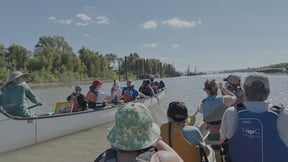
State legislators from across seven states convened in Jackson, Mississippi, for the 2026 Mississippi River Legislative Caucus (MRLC) Forum, where they explored how to support one of the most economically and socially consequential waterways.

Legislators from 43 States and Territories Oppose USDA’s Effort to Rescind the “Roadless Rule”
A bipartisan group of 232 state legislators from 43 states and territories submitted a formal comment letter to the U.S. Department of Agriculture (USDA) opposing the proposed rescission of the Roadless Area Conservation Rule (the “Roadless Rule”).
Subscribe to the National Environmental Caucus Newsletter
Stay up to date on upcoming events, opportunities to expand your network, and the latest environmental policy trends from across the U.S.