Offshore Drilling
Risks associated with offshore drilling include well blow-outs, oil tanker spills, and marine ecosystem disruption. Despite federal setbacks, states continue to take action to prevent future drilling and exploration in state waters through resolutions, restrictions, and liability laws.

Overview
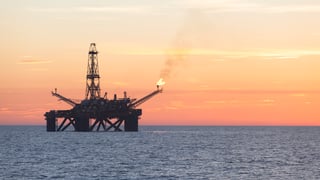
Offshore drilling is the process used to access pockets of oil and gas on the ocean floor for production. The process utilizes a variety of technologies and infrastructure, including seismic testing for exploration, drilling wells and rigs for oil and gas recovery, and pipelines for transport. Risks associated with offshore drilling include well blow-outs, oil tanker spills, and marine ecosystem disruption. When improperly maintained, the oil platforms can slowly deteriorate, leading to several hazards: rust and metal leaching, methane leaks, and increased safety risks for workers.
In November 2025, the U.S. Department of the Interior released a draft plan to expand offshore drilling opportunities across the country through scheduled lease sales in the Gulf of Mexico, the Alaskan Arctic, and the Pacific. These proposals are in addition to 36 lease sales mandated by the passage of H.R.1 (2025). Despite federal setbacks, states continue to take action to prevent future drilling and exploration in state waters through resolutions, restrictions, and liability laws. States are also exploring ways to support plugging orphaned and abandoned wells in state waters, dismantling platforms, and removing pipelines if the infrastructure presents an environmental hazard.


Key Facts
Over 300 municipalities and over 2,000 elected local, state, and federal officials have formally opposed offshore drilling and exploration.
The Deepwater Horizon spill, also known as the BP Disaster, is the largest offshore oil spill in American history. The spill killed 11 people and released 210 million gallons of oil into the Gulf of Mexico, leading to the loss of one million seabirds and 17% of the critically endangered Rice’s Whale population.
The Atlantic, Pacific and Gulf coast of Florida support over 2.6 million American jobs and roughly $180 billion in GDP, all of which could be threatened by offshore drilling.
Current Legislation
- No matches.
Filters: 0
| SB1259: Refineries: decommissioning and remediation: cost estimates.View Source | California | CA Sen. Lena Gonzalez (D-CA-033), CA Sen. Catherine Blakespear (D-CA-038) | Oceans | Offshore Drilling | Offshore Drilling and Leasing | Passed Original Chamber |
| SJR12: Proposed 2026–2031 National Outer Continental Shelf Oil and Gas Leasing Program: opposition.View Source | California | CA Sen. John Laird (D-CA-017) | Oceans | Offshore Drilling | Offshore Drilling and Leasing | Effective |
| AB1448: Coastal resources: California Coastal Sanctuary: tidelands and submerged lands: oil and gas development.View Source | California | CA Assemb. Gregg Hart (D-CA-037) | Oceans | Offshore Drilling | Offshore Drilling and Leasing | Passed Original Chamber |
| AB2716: Oil and gas: bonding requirements.View Source | California | CA Assemb. Anamarie Avila Farias (D-CA-015) | Oceans | Offshore Drilling | Offshore Drilling and Leasing | Passed Original Chamber |
| HB 2436: Concerning requirements of oil tankers operating in restricted waters.View Source | Washington | WA Rep. Debra Lekanoff (D-WA-040) | Oceans | Offshore Drilling | Offshore Drilling and Leasing | Effective |
| HR310: ENERGY/OIL & GAS WELLS: Urges and requests the Department of Conservation and Energy to study the state's liability for oil and gas well decommissioning across the value chainView Source | Louisiana | LA Rep. Jacob Braud (R-LA-105) | Oceans | Offshore Drilling | Enacted | |
| AB1536: Offshore oil: pipeline safety.View Source | California | CA Assemb. Dawn Addis (D-CA-030) | Oceans | Offshore Drilling | Offshore Drilling and Leasing | Introduced or Prefiled |
| HB 1317: Protection of the Eastern Gulf Test and Training RangeView Source | Florida | FL Rep. Nathan Boyles (R-FL-003) | Oceans | Offshore Drilling | Offshore Drilling and Leasing | Introduced or Prefiled |
No matching bills.
Stay Updated on This Issue
Subscribe to stay updated on policy developments that deal with this issue, and/or others.
Related Resources

Offshore Drilling Briefing Book
This year the Biden-Harris Administration placed a moratorium on new oil and gas leasing in federal waters through a sweeping executive order. This policy represents a monumental shift from the Trump administration’s rollbacks to offshore drilling protections and proposals to open up more than 90 percent of the coastline to oil and gas exploration and construction. While the Biden-Harris Administration’s commitment to act on climate is encouraging, now is the time for states to act and permanently block offshore drilling off their coasts through resolutions, bans in state waters, restrictions on seismic testing, and strict liability laws. This briefing book contains a fact sheet, faq, timeline, and list of enacted legislation
Offshore Drilling Fact Sheet
This year the Biden-Harris Administration placed a moratorium on new oil and gas leasing in federal waters through a sweeping executive order. This policy represents a monumental shift from the Trump administration’s rollbacks to offshore drilling protections and proposals to open up more than 90 percent of the coastline to oil and gas exploration and construction. While the Biden-Harris Administration’s commitment to act on climate is encouraging, now is the time for states to act and permanently block offshore drilling off their coasts through resolutions, bans in state waters, restrictions on seismic testing, and strict liability laws.
Offshore Drilling FAQ
This one-pager includes answers to frequently asked questions about offshore drilling including what seismic testing is, the harms of offshore drilling, and if offshore drilling is profitable.
Offshore Drilling Policy Options
With rollbacks to offshore drilling protections and the proposal to open up more coastline to leases, states are more energized than ever. After Secretary Zinke announced his intention to increase offshore drilling, over 225 state legislators signed a letter opposing this threat on coastal states’ environment and economies. This leasing program would open a majority of the United States Outer Continental Shelf to oil and gas exploration and construction. It would also represent the first time in decades that many states’ coasts would be exposed to such development and potential harm. In response, states are looking to protect their coasts against offshore drilling against this and all future threats. By passing resolutions, restrictions, and liability laws, states are taking bold steps to stop offshore drilling.
Online Resources
Oceanographers at Current Lab recently released new oil-spill visualizations that show how far ocean currents and winds can carry surface oil from spill sites.
This report details ways to strengthen standards for offshore oil and gas decommissioning to protect marine ecosystems, preserve worker safety, and reduce taxpayer dollars spent on these efforts.
NRDC and the National Parks Conservation Association have compiled a report detailing the threats to 68 coastal national parks from oil and gas drilling.
Oceana released a report that finds offshore drilling remains dirty and dangerous nine years after the BP Deepwater Horizon disaster.
Offshore Drilling and Environmental Justice
Offshore drilling is incompatible with public health and the interests of coastal communities that depend on healthy oceans for their health, livelihoods, and cultural identity.
Hundreds of Oil Spills
Offshore drilling is inherently dangerous with hundreds of oil spills occurring each year. This puts the health, wellbeing, and livelihoods of all coastal inhabitants at risk. (usa.oceana.org)
Negative Economic Impacts
Frequent offshore oil spills diminish coastal economies and endanger the financial stability of coastal communities that often depend on economic sectors such as fishing and tourism. (nrdc.org)
Long-Term Health Impacts
People involved in the cleanup of oil spills from offshore drilling operations often face serious long-term health complications. (nrdc.org)
News & Events
2026 Energy Affordability Leaders Summit
Join NEC in Philadelphia, Pennsylvania, from December 6-9 for a convening of energy affordability leaders.
2026 MRLC Forum Recap
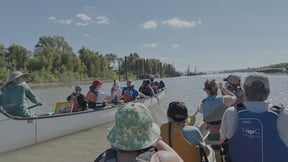
State legislators from across seven states convened in Jackson, Mississippi, for the 2026 Mississippi River Legislative Caucus (MRLC) Forum, where they explored how to support one of the most economically and socially consequential waterways.


Legislators from 43 States and Territories Oppose USDA’s Effort to Rescind the “Roadless Rule”
A bipartisan group of 232 state legislators from 43 states and territories submitted a formal comment letter to the U.S. Department of Agriculture (USDA) opposing the proposed rescission of the Roadless Area Conservation Rule (the “Roadless Rule”).
Subscribe to the National Environmental Caucus Newsletter
Stay up to date on upcoming events, opportunities to expand your network, and the latest environmental policy trends from across the U.S.