

Overview
Green Amendments are an environmental justice tool that solidify the obligation of the state to ensure that decisions impacting natural resources are vetted and consider the cumulative impacts on communities for present and future generations. Green Amendments enshrine the right of private citizens to hold state decision makers accountable. The goal is to also ensure that there’s a process for making good decisions regarding natural resource protection with adequate pathways for recourse should decisions ignore community input.
The Green Amendment movement is in direct response to a long history of institutional racism and environmental injustice. This effort aims to give people the private right of action–in addition to their fundamental rights to, for example, free speech and religion–to ensure that their families, and generations to come, can step outside without worrying about the quality of the air they breathe or the purity of the water they drink.
Key Legislation
Wisconsin and Michigan have joined the Green Amendment movement as they consider changes to their constitutions for protecting people’s environmental health. Both states must approve their Green Amendments in both chambers of their legislature in order to codify these environmental health protections in their respective constitutions.
Other State Action
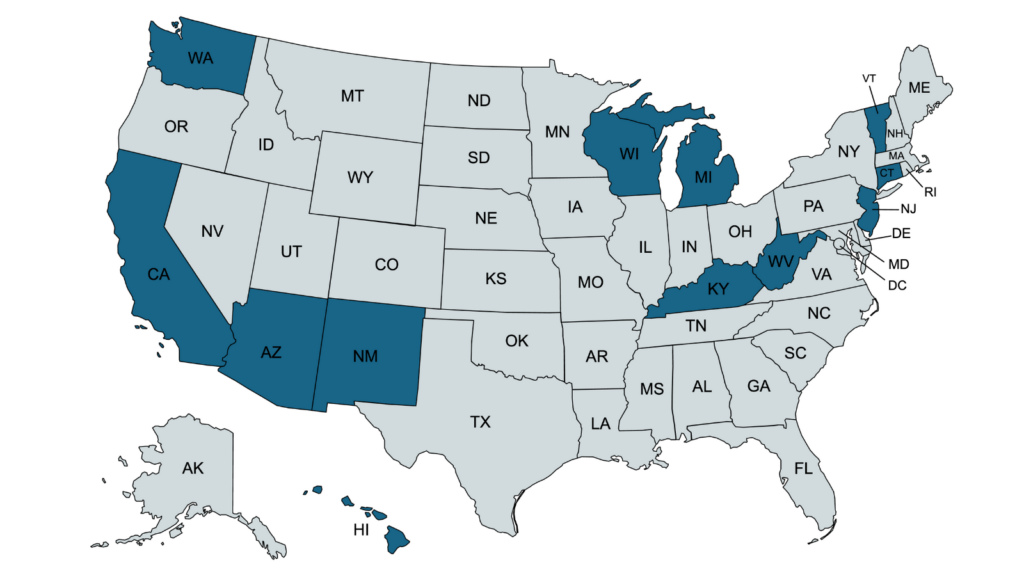
This year, Wisconsin and Michigan are joined by at least 10 other states in the Green Amendment movement. Arizona, California, Connecticut, Hawaii, New Jersey, New Mexico, Kentucky, Vermont, Washington, and West Virginia are all considering Green Amendment Legislation.
Bill Sponsors
Michigan’s H.J.R.S was introduced by Representative Rachel Hood.
Wisconsin’s A.J.R.144 was introduced by Representative Darrin Madison and Senator Mark Spreitzer.
Support the Network
Your generosity helps create opportunities for state legislators to meet, collaborate, and improve lives in their states.


Subscribe to the National Environmental Caucus Newsletter
Stay up to date on upcoming events, opportunities to expand your network, and the latest environmental policy trends from across the U.S.